Ship’s Log Week Forty Six
October - November 2025
The Indian Ocean…. Arrivals and departures
In the 16th century Portuguese explorer, Pedro de Mascarenhas discovered three volcanic islands, Mauritius; Rodrigues and Reunion with their scattering of islets, and named them the Mascarene Archipelago. The islands, situated in the western Indian Ocean, approximately two thirds of the distance between Cocos Keeling and Richard’s Bay in South Africa have had a checkered history. Mauritius, independent since 1960s, was claimed by the Dutch during the 16th and 17th centuries. Late in the 17th century all three islands were settled by the French, and then captured in 1810, during the Napoleonic wars by Britain. La Reunion, the largest of the three islands, was returned to the French in 1815, and remains a French territory to this day.
On Tuesday 28th October 2026 at 11.10am Walrus left Le Caudan Waterfront Marina in Mauritius as she set out on the passage to La Reunion, one hundred and twenty-five nautical miles south west. The Indian Ocean lived up to its reputation for confused, uncomfortable seas and we were glad to tie up alongside Ken’s bigger-by-six-feet Halberg Rassy, Mahina Tiare III, 24 hours later, having motor sailed with other World ARC boats in little or no wind.
La Reunion is the most southerly island in the Mascarene Archipelago and the most remote department of France; the first in the EU to adopt the euro, given its position to the east of Europe. From the start of our stay the experience was an enigmatic mix of Frenchness (currency, cuisine and the daily baguette) with a strong flavour of India and Africa (traditional dancing, colourful clothes, unpredictable opening hours) thrown in for good measure. Having said that, Walrus’ mooring for the duration of our stay, was a far cry from the glamour and glitz of marinas that you’ll be familiar with if you have visited the French Riviera. Le Port was a scruffy, work-a-day, industrial fishing port. The harbour wall opposite the commercial side of the dock had been given over to World ARC boats.
Task one when getting ashore was to clamber over the rafted together boats, before ascending one of several ladders leading vertically up to reach the harbour road that ran in front of and around a series of rough and ready looking buildings adorned with variable street art and graffiti. Shower block facilities were at the back of a broken down, empty building between a shipwright and what looked like a car maintenance yard, through a hard-to-find door somewhere between an underwater scene with buxom mermaids and treasure chest, and an advert for the local beer.
On arrival we were given one key for each boat. The key opened the door to facilities after dark, during the day they were open. Negotiating a pecking order for night-time peeing etc and ensuring all crew returned the key to an easily accessible place became a priority. Walrus has one ‘heads’ (bathroom) with a non-functioning shower. An excitement when going ashore is the opportunity to luxuriate in a long, hot soak. Le Port had on offer two unisex showers, permanently a centimeter or two deep in water, usually with the last occupant’s soap floating in the corner, a couple of basins, no soap…. (Unless you picked up the previous occupant of your shower’s soap to use in the handbasin) or means of drying your hands, and two loos (not always flushing). I seem to remember French campsites in my teenage years being similarly appointed.
Onwards and upwards, our experience of immigration and customs was delightfully French and more than made up for first impressions. A row of uniformed customs and immigration officers sat behind tables located under a rusty tin roof on the verandah of a cafe that had long since closed. Arrangements for the order of boats checking in had been carefully organised by our World ARC yellow shirts, Lesley and Rachel. We took our turn in presenting clearance papers from Mauritius and passports. Both were swiftly dispatched with and then the really important business attended to. Our somewhat rotund lead immigration officer leant forward and after an exchange in French with Dickie, recognised he had found kindred spirits and took the opportunity to tell us about his restaurant recommendations for the duration of our stay, including opening hours and which dishes to order. Had there been une bouteille du vin on hand, I think we’d have been there for the rest of the day much to the chagrin of other boats’ crew forming a queue behind us.
This delightfully eccentric start to our stay was followed by welcome drinks, an evening of local traditional dancing, with women in bright yellow swirly costume, whirling and twirling to the sound of the island’s traditional salsa-sounding music, free flowing wine and beer served in plastic tumblers and delicious, tricky-to-eat-while-standing local food.
La Reunion Revealed
A World ARC trip starting at the edge of a vast red, black lava live volcano, Le Volcan, stark against the deep blue sky, set the scene for a memorable day out. We hiked around the volcano crater’s edge in baking hot sunshine, stumbling over rocky outcrops and stopping to admire the view of the rich red earth floor way below us, leading to a precipice and, in the distance, the cobalt blue Indian Ocean, flecked with white horses. Our guide talked about recent historic eruptions of the volcano and their impact on the island’s landscape and way of life. This was the only live volcano in the Mascarene Archipelago, it had most recently erupted in 2018, another eruption was overdue, based on historic eight year trends. We looked keenly for early signs of imminent activity and listened hard for rumbling sounds, as we passed a geological earth movement measuring station.
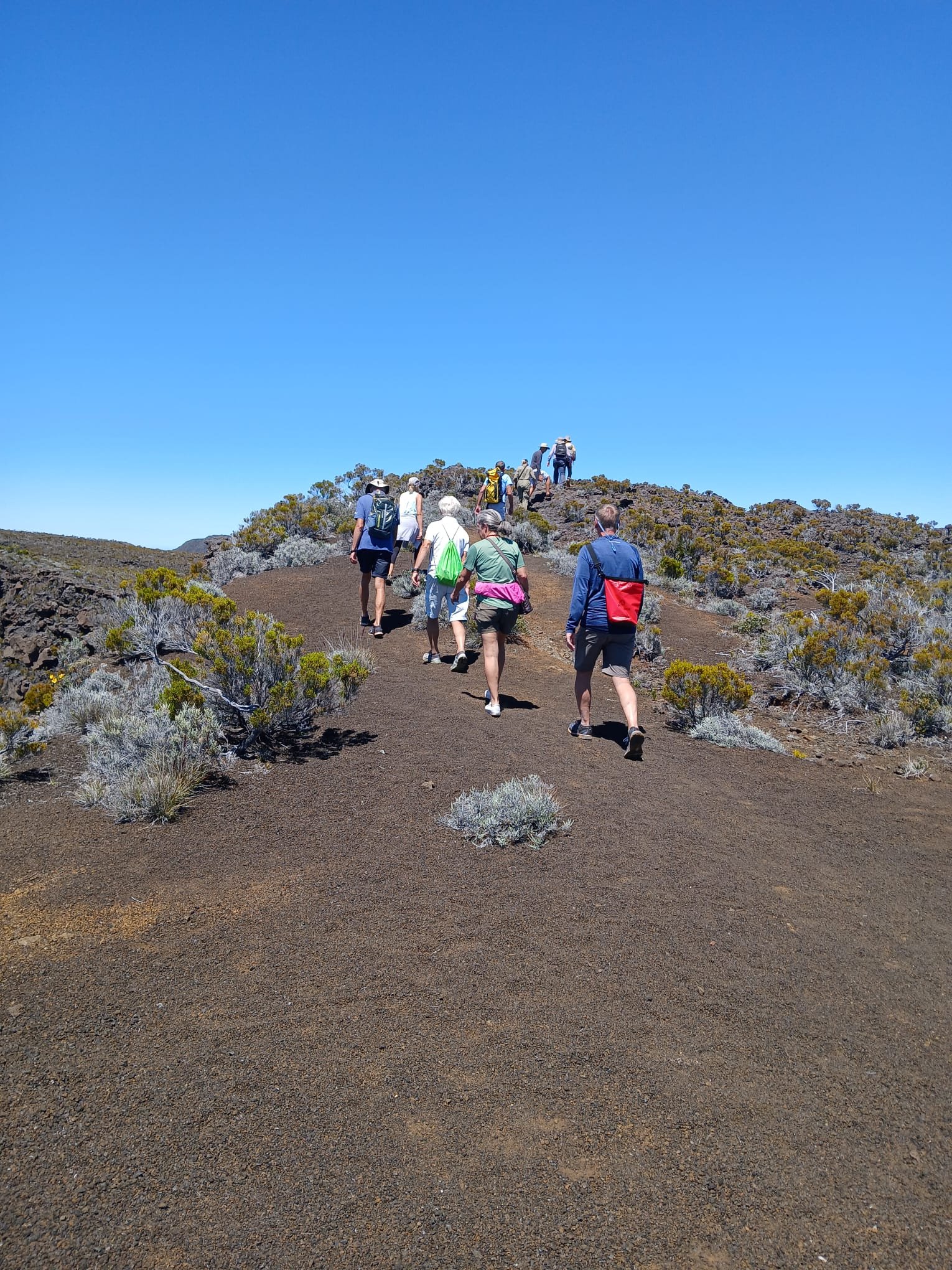
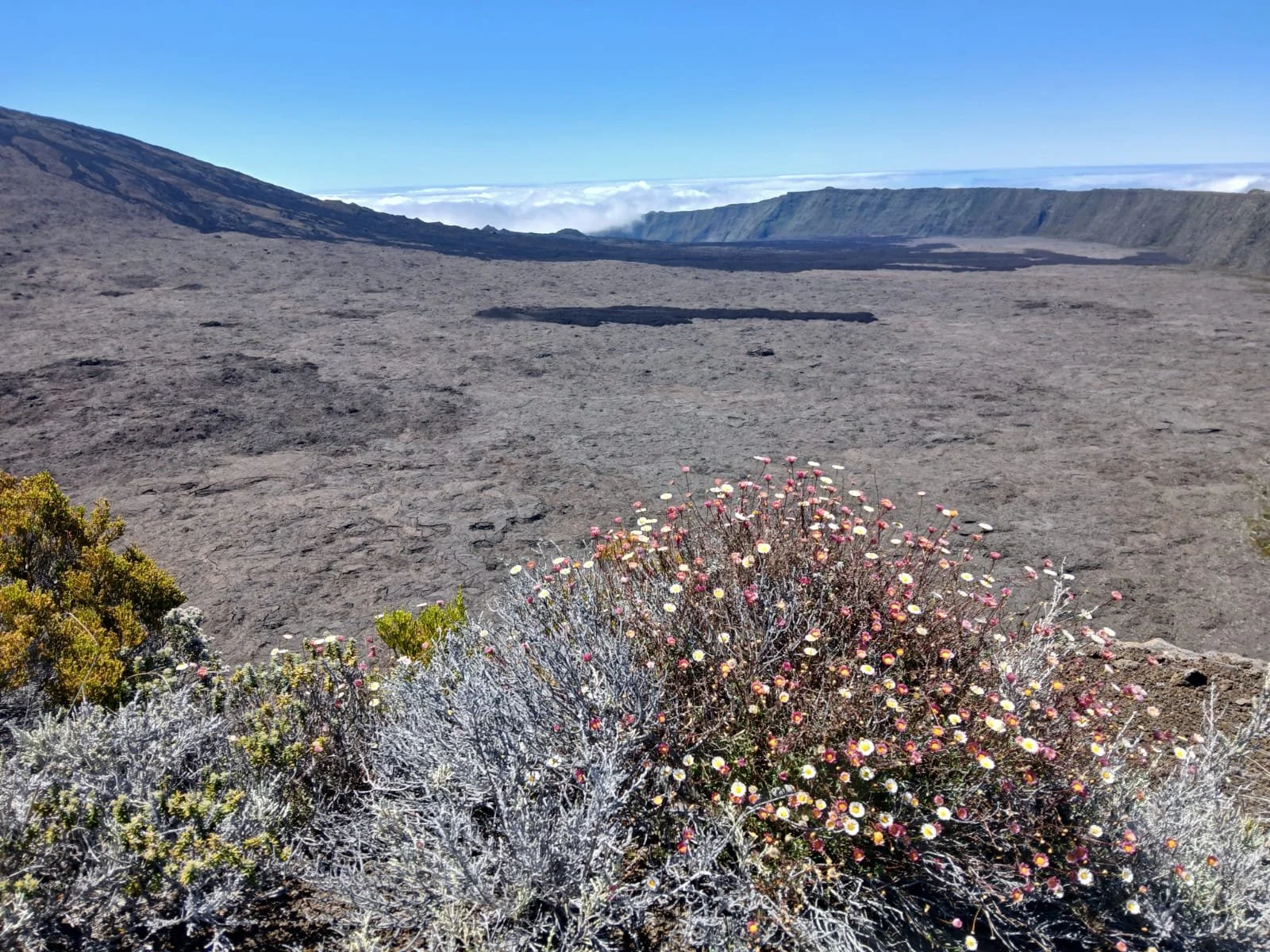
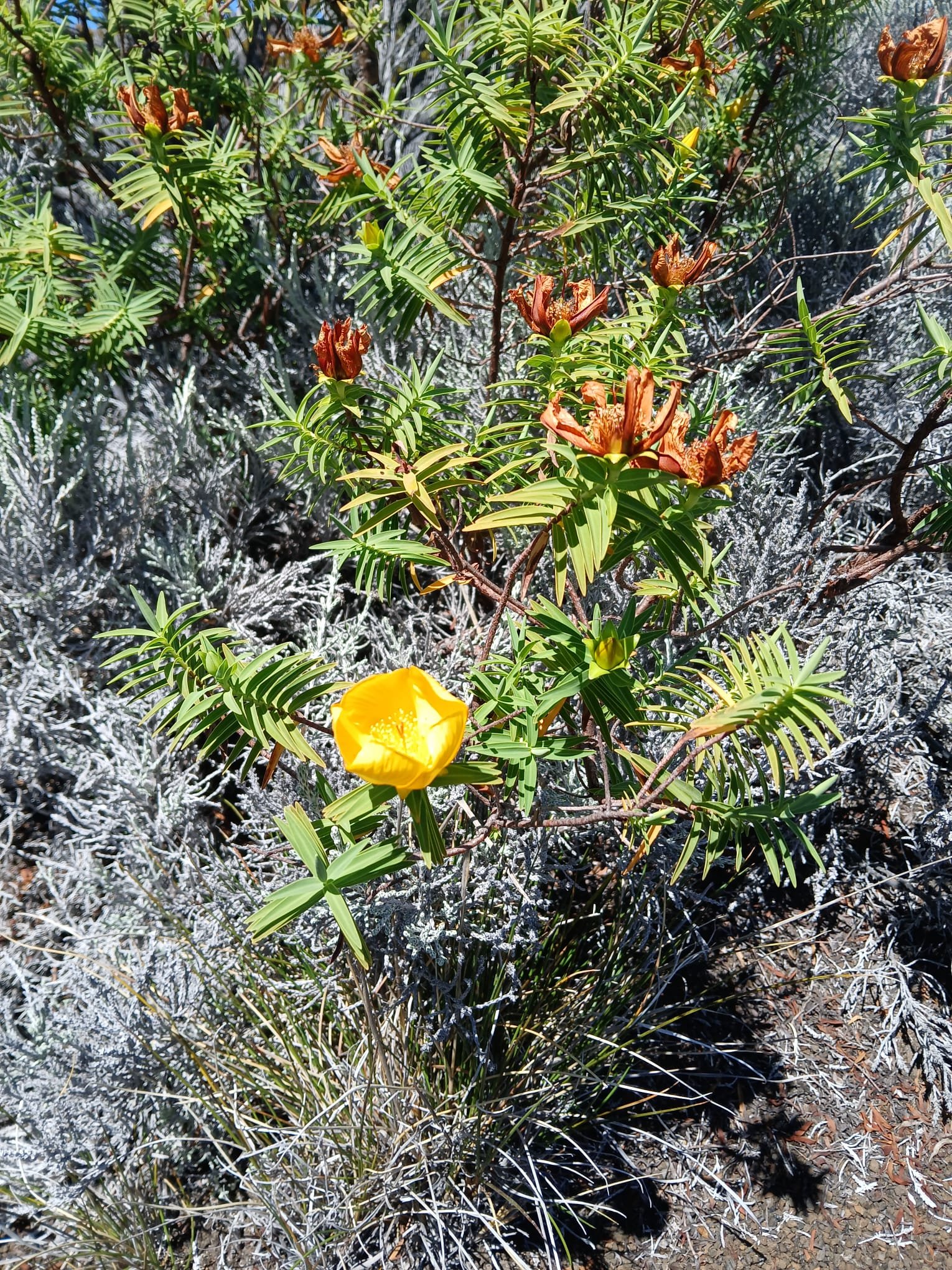
Reassured by our guide’s relaxed, yet knowledgeable approach, we continued and learned about the healing qualities of the yellow flowered shrubs that were dotted sporadically along the rocky paths. The French being a nation that, from my experience of the numerous pharmacies to be found on the high street, value their medicinal remedies, had taken samples of the plant that had been used for years by islanders to quell arthritis and other inflammatory-related conditions, proved its efficacy in the laboratory and created a pill version, now available to all and sundry in France. Our guide was proud of La Reunion’s contribution to a home country many thousands of miles away, that he evidently felt an affinity with.
Meanwhile Dickie, eager to get to lunch, had trekked on ahead and was facing a challenge, his expensive marine-specialist, (think Irish leather sailing boots that never wear out) bought-from-a-chandlery-trainers had chosen the return hike to disintegrate. The upper and sole of his left trainer had parted and were flapping in a clown-like fashion with every stride he took. Our guide, ever resourceful and keen to help whipped out his first aid box. At this moment Ted and I rounded a corner in the path and caught sight of Dickie sitting on the ground, having his foot bound in a long, white, bandage. We feared the worst and were relieved to learn the malady was no more than poor workmanship and that, with pragmatic application of the first aid kit, Dickie would be up and running again.
By now lunch was on everyone’s minds and talk was focused on which of the villages we had passed on the way up, we might stop at for lunch on the way down. After driving for many miles along narrow, windy lanes, passing one or two promising signs indicating the way to a local restaurant or two, our bus driver pulled up at the end of a dirt track, which at first sight looked unpromisingly like a rural, comfort break pitstop, where guys pee behind trees and girls look for dense bushes to squat behind. Don’t judge a book by its cover was the lesson we were learning on La Reunion.
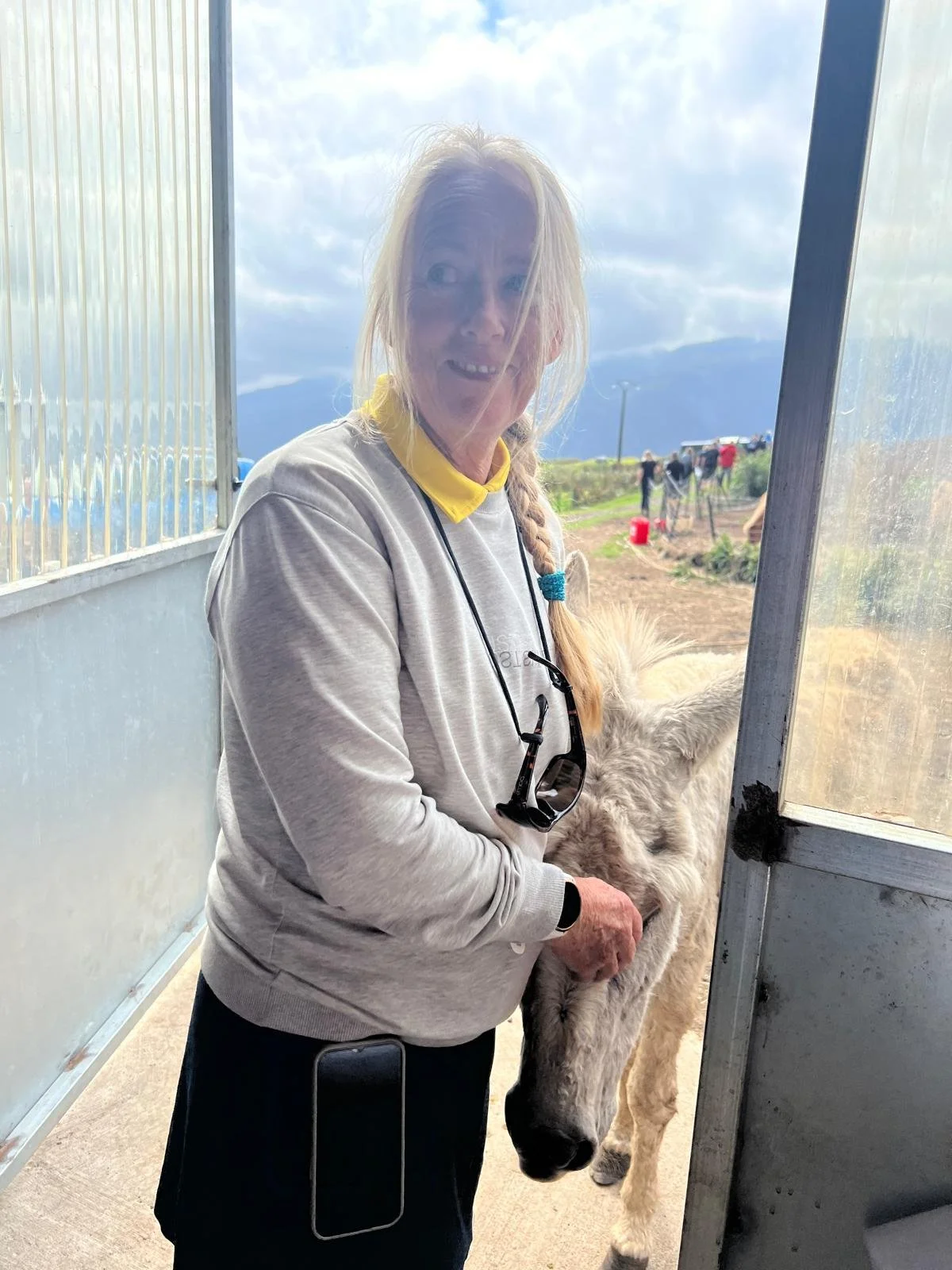
We followed others walking along a track to a farmyard with donkeys braying noisily and a parrot in a cage outside an open barn door. If ever I had wondered what was in a World ARC Yellow Shirt’s job description it was today that set me thinking. What followed was a wonderfully bucolic lunchtime experience that tested Lesley’s skill set to the maximum but at the end of the day could only leave everyone, including Lesley, smiling. We made our acquaintances with the donkey and parrot and entered the barn to the surprising scene of trestle tables laid for lunch, with large, bountiful flower arrangements strategically transforming the space from a farmyard to a pastoral dining room.
Things got off to a great start, with rum punch generously ladled from a big jug into glasses and dished out on entry. During the course of the plentiful, help-yourself-from-big-cauldron-style-stewpots buffet the donkey tried, almost succeeding, if it weren’t for Lesley’s determined intervention, to join us in the makeshift dining room. When, on the couple of occasions he slipped through the door and into the barn, he made it clear he had his eye on the flower arrangement just inside the door, or if this wasn’t on offer he wouldn’t say, “no” to a bucket of punch. Just in case you’re wondering Lesley and the local farmhand team won the day and the donkey remained, for the most part, disconsolately outside the barn… at least until we left.
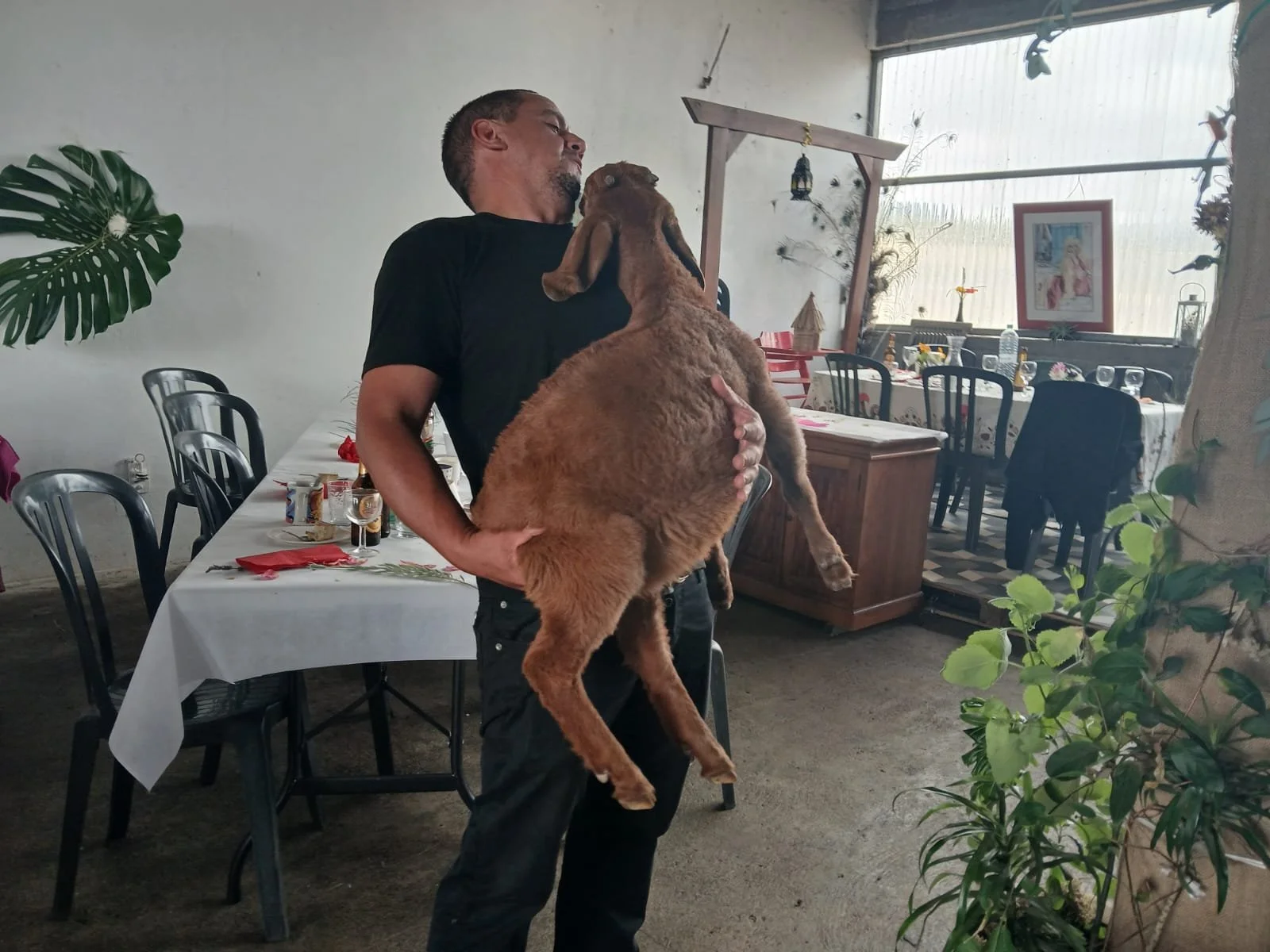
As dessert was being served a back door to the barn was opened and, you may have guessed already, a young goat dashed in and made a beeline for a flower arrangement at the back of the barn. Partially successful, she was ignominiously picked up and carried out, with a telltale stem hanging from her mouth, and a triumphant look on her face. One up on the donkey at the front door.
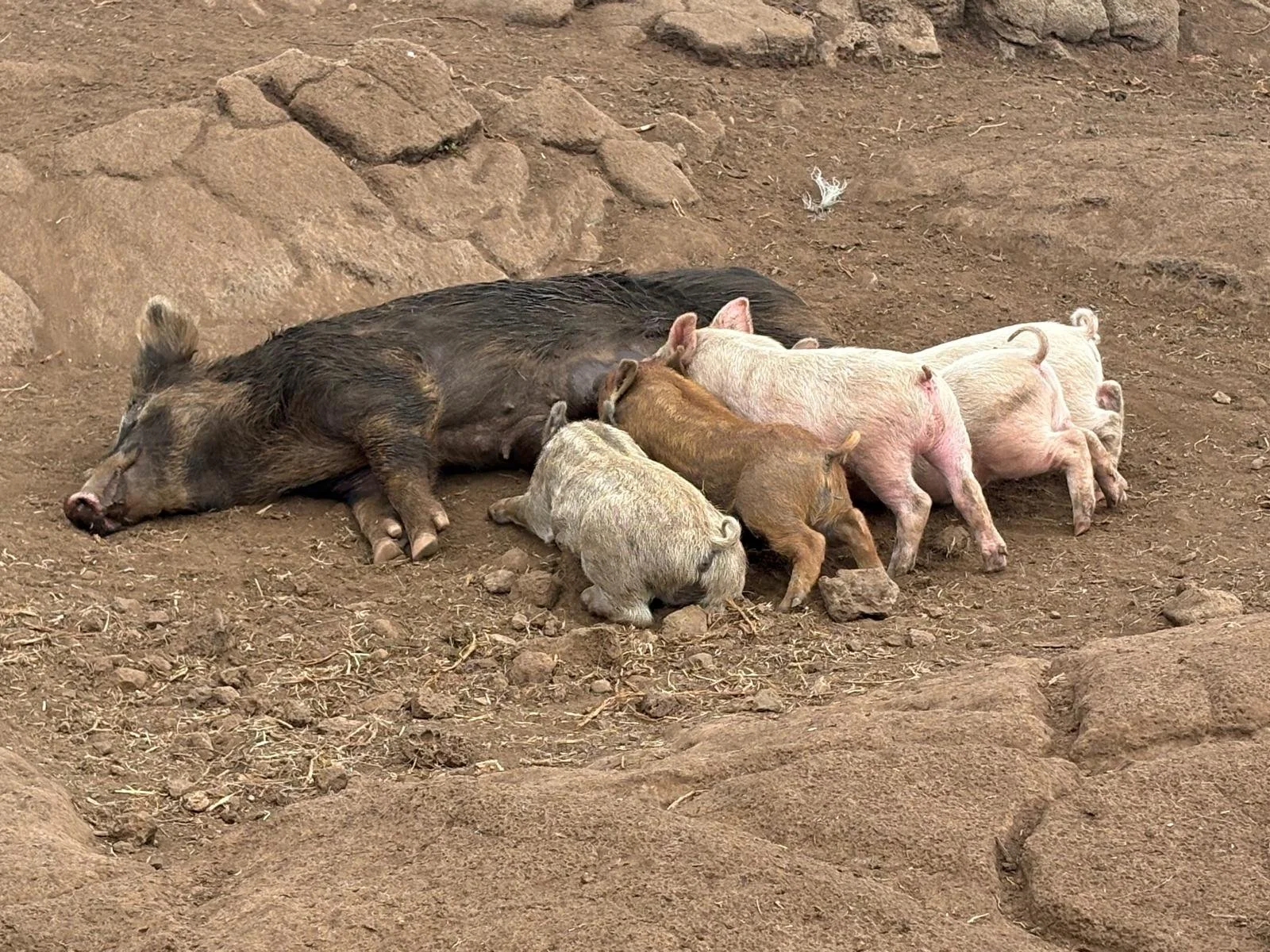
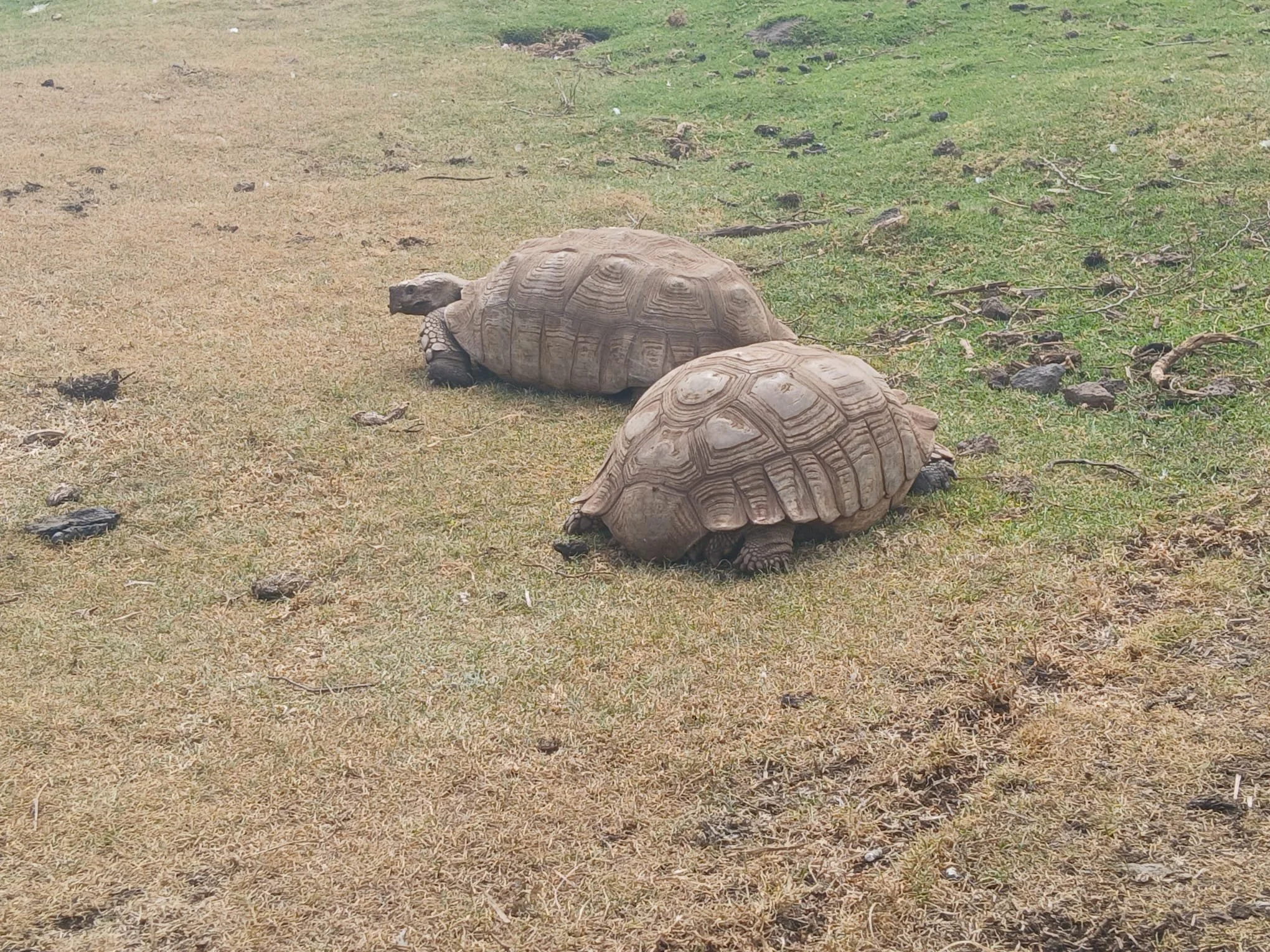
A happy half hour was spent wandering around the farmyard admiring the piglets in a mudpatch enclosure where communal parenting was the order of the day. Piglets of different colours suckled from a mother pig, until she lost patience, grunting gruffly and walking off, signalling time to find another willing mother pig, of which there were plenty. There was a giant tortoise or two in a large grassy field, new born kid twins with a noisy mother goat and an adorable bouncing, squeaking guinea pig family with three or four little ones in a cosy looking straw pen. Lesley had quite a job rounding up adults and children alike to get us back on the bus and home to our boats like weary kids at the end of a school trip.
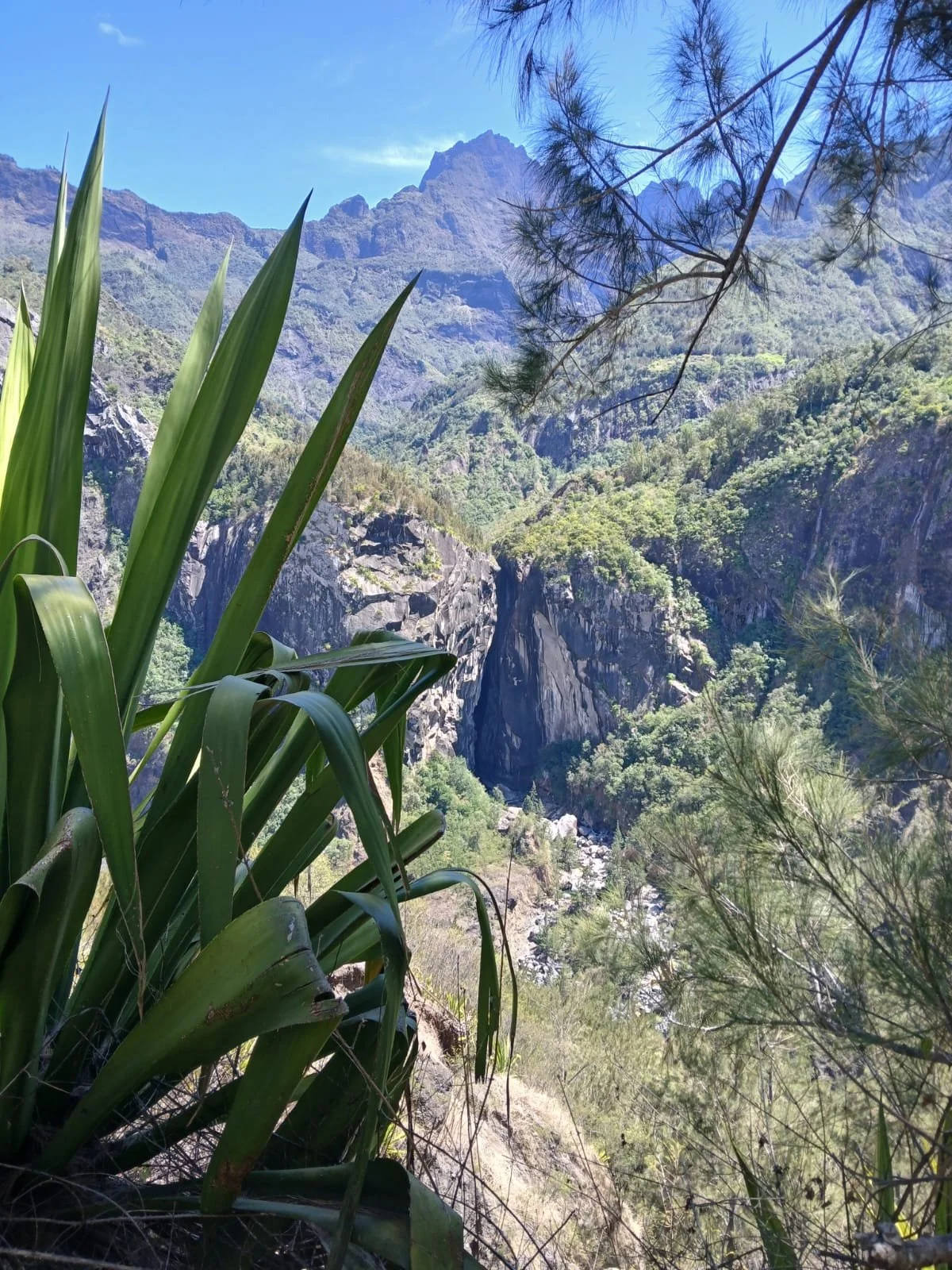
We hired a car for three days, visiting a Friday street market and the two extinct volcanoes. On Saturday we joined with the crew of other boats to take a road trip on the switchback snake-like road, winding up and up for two or more hours through a deep, steep wooded ravine, at times driving through narrow, single lane tunnels cut through the rocky landscape and often with a nerve-wracking, don’t-look-now sheer drop on the near side. La Reunion is known for hiking trails and some of us took the opportunity of trekking along wooded, rocky paths, crossing babbling, clear water streams to explore a ravine with a striking rock formation (La Chapelle) in the shape of an elongated arched church window at the end of a deep gully. My thighs ached as we climbed back up to the car and I was glad of the opportunity to rest as we drove the final half mile to reach the island’s highest, town of Cilaos.
We parked up and made directly for one of the customs and immigration officers’ recommended restaurants. Good choice, we settled in for a well-earned long lunch before taking time to explore the candy floss, pastel pink, green and blue coloured main street. Buildings of various shapes and sizes, many in traditional colonial style, not grandiose, but nevertheless displaying French architectural elegance with a few columns and balconies thrown in for good measure were interspersed with tourist shops, selling postcards, swimwear, jewellery and pottery. At the end of the high street an avenue of blue, purple jacaranda trees in full flower leading the eye to a standalone, white church with simple tower, stark against the black volcanic rock behind. What a surprising and delightful find.
Walrus’ stay rafted alongside Mahina TIare III was a happy one, with the two crews sharing a taste for an evening drop of whisky or red wine and a cheeseboard. Fun times were had by one and all. The World ARC community is one where life lived cheek by jowl, with the common purpose of sailing around the world, is a good starting point for friendships, which we hope will be for life.
The final day’s schedule, provisioning in Carrefour (the French supermarket is always a favourite with it’s great cheese counter and fabulous patisserie), long lunch in a street-side petit brasserie and finally, sitting, watching the orange, golden rays of sunset from the edge of giant concrete blocks jutting out into the ocean. Lovely ending to an interesting stay.
The Indian Ocean - All at Sea
There was the minor hurdle of refuelling before departure. Dicky filled Walrus tanks and tried to pay. He returned from the quay and asked me to see whether I could understand what the issue was, I approached the kiosk with fuel attendant sitting nonchalantly, (while emanating a certain air of surliness), on a stool behind the counter. He rattled off a couple of sentences in French and pointed to the cash card machine, “Non, non…”, followed by animated Gaulloise hand gestures which I interpreted as “La Di Dah… Your problem not mine. Joost a twenty-five minute walk to the nearest ATM”. With other yachts lining up behind us to take their place on the fuel pontoon, we’d reached an impasse. Our predicament was solved by Jane, from Imi Ola handing me a large wodge of Euros. A super kind gesture for which I will be forever grateful and have, of course, repaid.
Walrus was, at last off and on her way across the 1108 nautical miles of Indian Ocean that separated us from South Africa. It was the 5th November (Guy Fawkes Night in the UK) and as we headed out into the Indian Ocean I thought, for a moment or two about fireworks night back home in Kent, with skies around the countryside lit up with colourful displays and the sparks from giant bonfires built up over the previous weeks in preparation for commemorating the day a man tried to blow up Parliament. Reminiscences come and go at sea, sometimes time drags, at others the rhythm of sea life fills every minute, with not enough to spare. Sometimes I have a great longing for home and at others I marvel at this life at sea and never want it to end. This latter thought was about to be severely challenged, as the tipping point between, “Isn’t this fun, aren’t we enjoying ourselves?” and “Sh**, this is scary… I don’t want to die…” tipped and swayed, in the balance over the next eleven days.
The Final Stretch… Are We Going to Make it?
In Darwin at the skippers’ briefing, Andrew’s last words, with a wry grin on his face that, in hindsight, said it all, were “The Indian Ocean’s ahead, yes, it’s an ocean of confused seas and changeable winds”. Confused seas and changeable winds should have been written in bold capital letters. CONFUSED SEAS AND CHANGEABLE WINDS. The phrase replayed on a loop in my mind during the most extreme of night-watches, as I repeated it through gritted teeth.
Back into the Indian Ocean for Walrus’ most challenging passage of the circumnavigation. A two metre plus swell of grey (mainly), blue (occasionally) sea pushed Walrus around, coming in swathes from two directions. Occasionally the rhythm of slap and slosh, rock and roll, got out of sync and Walrus reeled under the shock of a forceful slap of wave against hull, seawater spray rose high in the air and came down heavily on Walrus’ deck, swilling along her gunnels and swooshing down drain holes just in time before the next errant wave struck.
For the first three days winds were light which is never great at the start of a passage. What follows - discussion about whether the parasailor, with its exacting requirements of just the right wind strength and angle, is a viable option given the challenge of getting it up and running, (which is always in the minds of those who find themselves on the foredeck wrestling with lines and plastic swinging ‘loo seat’ that can take you out at a moment’s notice)? Or whether we should risk motoring for a few days and running down essential fuel supplies early on? We did both.
Then the wind picked up, and then it picked up some more… we reduced Walrus’ sails down to a pocket handkerchief of a reefed foresail. Over a forty-eight hour period winds were gusting up to 40 knots. I had my scariest night watch and seriously thought we might die as I clipped on in the cockpit, hunkered down behind the spray-hood. At this time Walrus’ autopilot was not reliably self-steering and, during a two and a half hour watch, she could click into standby on up to eight occasions, swinging into the wind so that the sail flapped wildly and the rock and rolling became more extreme. This added an extra tension to what had become exhausting, nerve-wracking watches.
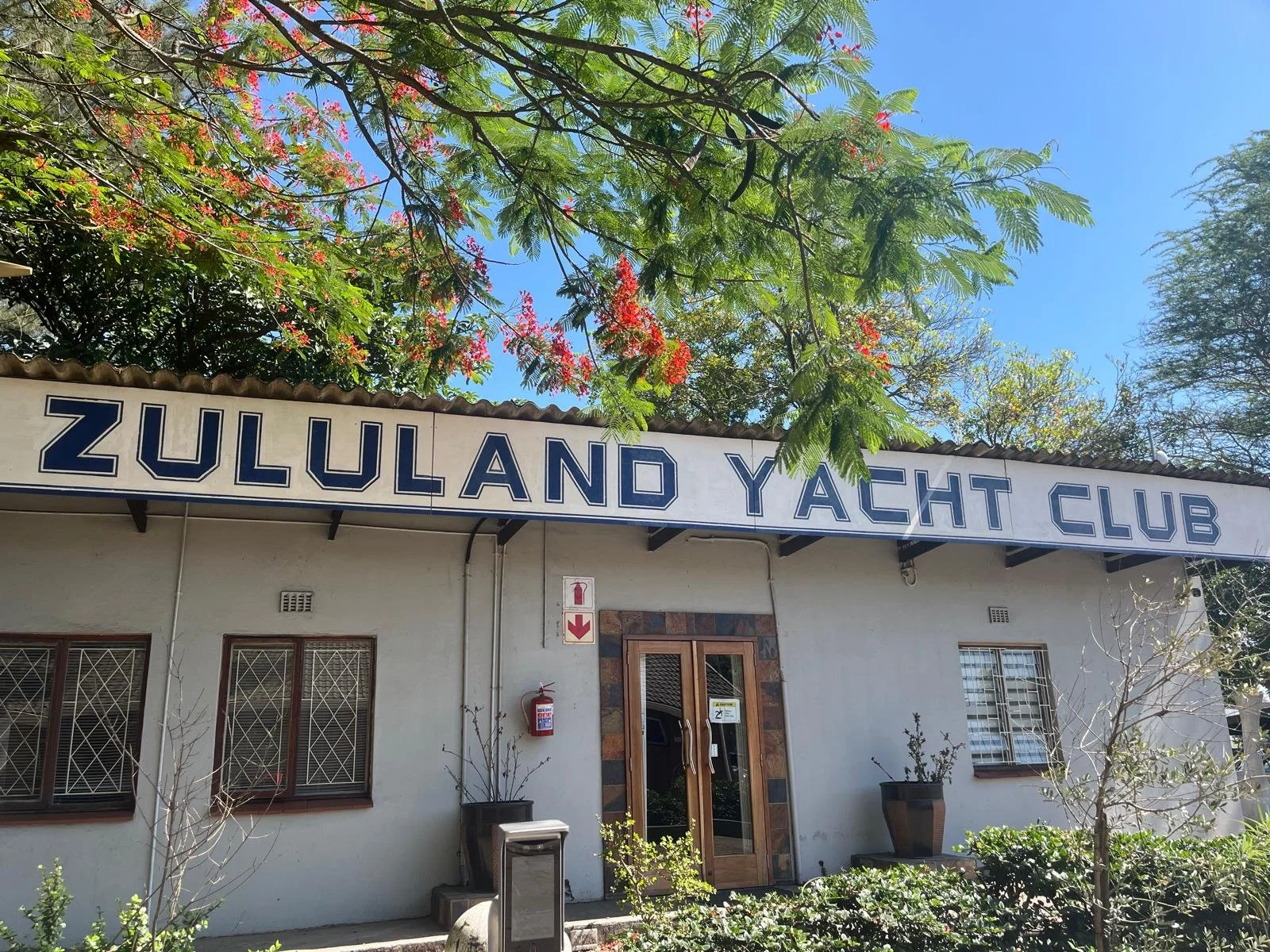
Richard’s Bay and our destination of the Zululand Yacht Club seemed a long, challenging sail away, made worse by the regular weather forecasting charts showing an angry red, purple coloured weather system approaching day by day from the South. The timely to-the-point Crewchat comment from Jeff on Altair: “F*** the Indian Ocean”, reflected the sentiments of everyone onboard at that moment. Add into the mix a message from Rally Control’s forecaster Chris Tibbs, saying DO NOT attempt to arrive in Richard’s Bay after 9.10am on Saturday.
With a gradually diminishing chance of making it to Richards Bay by the all important allotted time on Saturday morning, things looked glum and silence descended on Walrus’ crew as we battled with our own disappointments. At some point around about this time, Dickie said, “We’re not going to make it…”. His voice tailed off as we bounced, bobbed and rolled uncomfortably and yet another enormous wave slapped hard against Walrus’ hull on the port side. The glummest of thoughts started to circle through my mind… “I don’t want to die in the Indian Ocean. I’ve written a Will, the children get everything…”. Morale was at its lowest. Dickie looked up from his position wedged into the chart table seat, with one foot against the tool cupboard door, whilst completing a log entry and clarified, by finishing his sentence: “We’re not going to make it… In time for the World ARC Big 5 Safari outing”. Phew, what a relief, that put things into perspective. While the thought of arrival in South Africa and the next meeting of World ARC fleet for the Big 5 safari and celebratory prize-giving party had kept us hanging on; knowing we were going to make it alive was good enough at this juncture.
I reminded myself that Hallberg Rassy boats are made for this sort of bluewater sailing, Walrus might feel like a cork tossing around on the high seas; in reality she was probably just the boat to find yourself on in these conditions. At last the wind died down a little, only to change direction. Walrus’ final 24 hours were tortuous; motor sailing at a snail’s pace along the coast with wind against current making for a singularly uncomfortable bow to stern rocking motion through a sea that felt in turmoil and weather that turned from drizzle to pelting rain. The many supportive messages from our WARC fleet friends received over the next few hours kept our spirits up and cemented resolve to get to our destination come what may.
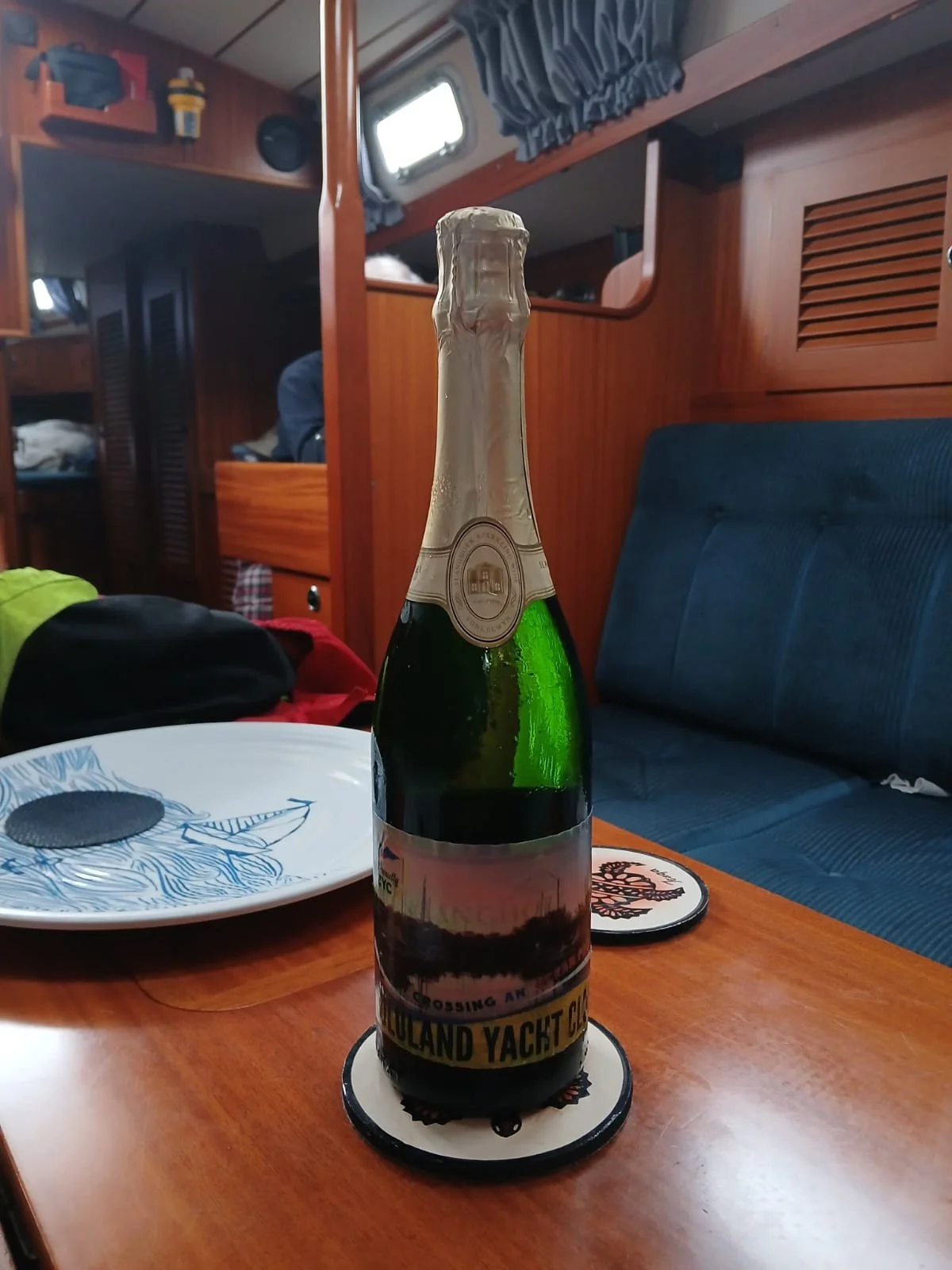
On Saturday at 1.00am in the morning we finally limped into Richard’s Bay marina with a gearbox that would only engage if Ted tweaked the gearbox cable manually from the engine room, while Dickie gave directions: “reverse, reverse… forward… Forward” from behind the wheel. Montana’s Marcus and Ton stood on the rickety pontoon where we were to be moored, waiting to take lines. Big hugs and whisky all round followed onboard until the early hours. Lise and partner (Zululand Yacht Club Welcoming Party) arrived in their dinghy at 2.00am in souwesters, soaked to the skin, proffering a bottle of Zululand Yacht Club bubbly.
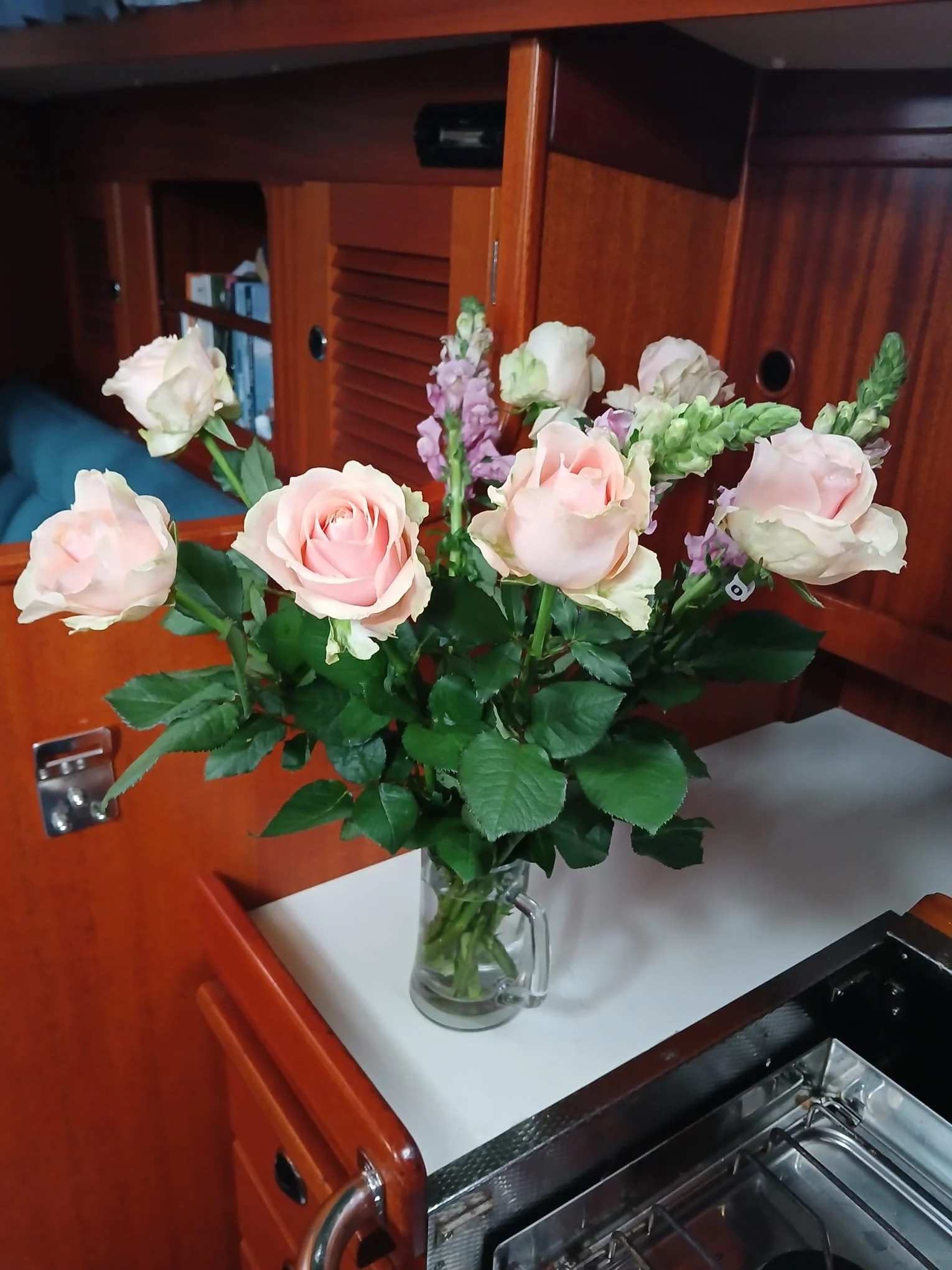
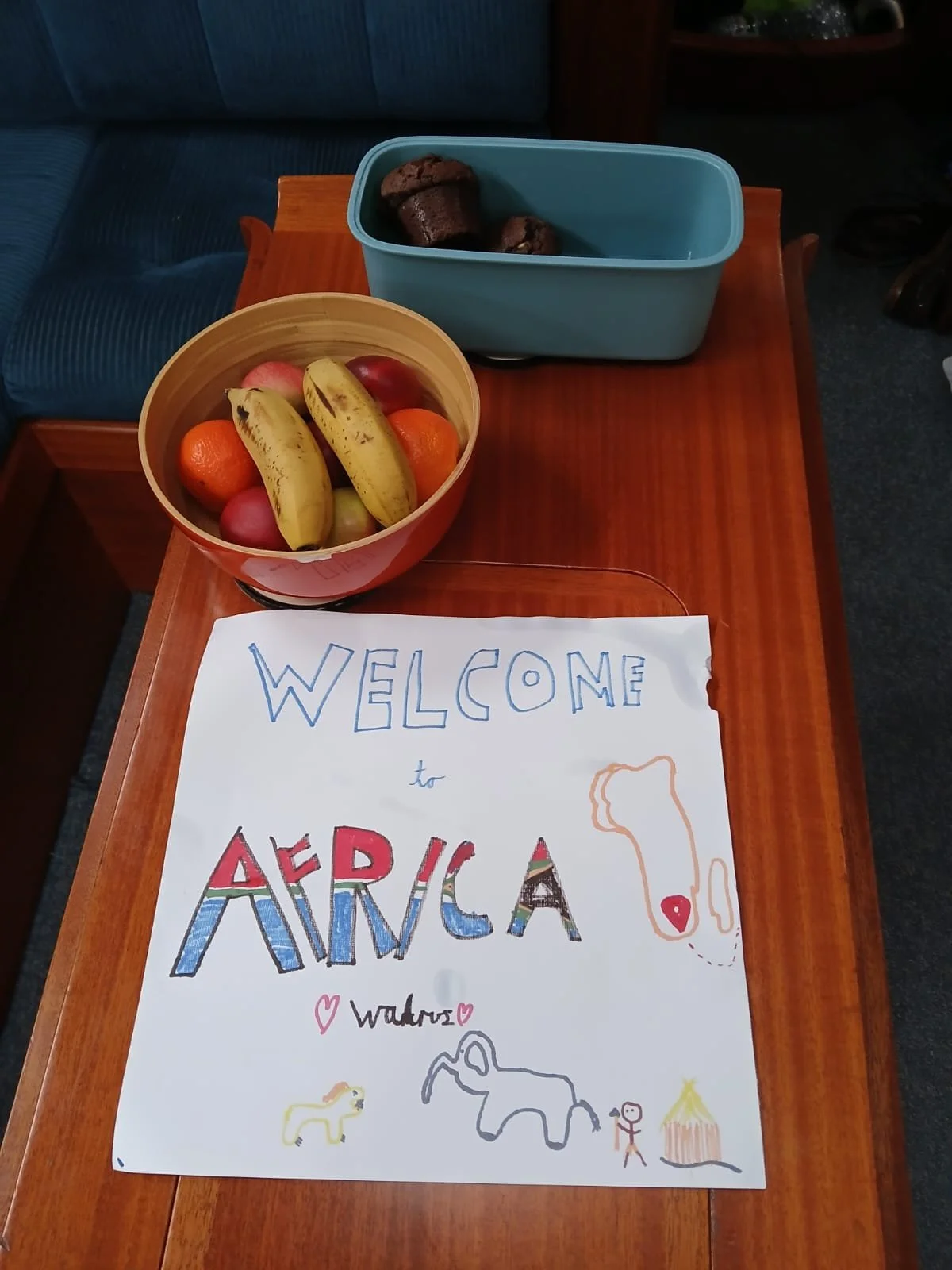
Next morning Joy and David Poole with Elliot came by to welcome us with an always-to-be-treasured ‘Welcome Walrus’ picture of South Africa hand-drawn by Elliot, a bowl of fruit and chocolate muffins. Later in the day Jane P (Imi Ola) thrust a beautiful bunch of pale pink roses into my hand, along with a box of mince pies. The big hearted, kindness of others in the WARC fleet brought a tear to my eye. Wow, at the end of a difficult passage, the sense of belonging that these thoughtful gestures engendered is hard to describe.
Walrus had made it to South Africa. We had survived the Indian Ocean, for now… there were another 732 nautical miles to go before we reached Cape Town and the Atlantic Ocean. We had completed three quarters of a circumnavigation.
Richard’s Bay - Icing on The Cake
Walrus and crew spent three and a half weeks in Richard’s Bay. It was time for a break, and for Walrus, all important maintenance and a lift out. The icing on the cake, Digby, my son, arrived from England two days later, in time to join Walrus for one of the most fun and crazy World ARC prize-giving evenings. Free flowing prosecco got us off to a good start, followed by a fiercesome, Zulu warrior tribal dance, with the youngest member of the troupe, stamping his feet and tribal stick-like weapon ferociously on the ground before falling flat on his back several times. The performance was accompanied by traditional African drumming and an everyone-get-up-and-join-in moment or two, which included the Zululand Yacht Club staff who took part with evident joy and enthusiasm.
Next a delicious supper followed by prize-giving with a difference given the challenges faced by all. The winners… (first three over the finish line, after handicaps are taken account of) were acknowledged, but those receiving prizes were the last three over the line - Walrus won the prize for persevering through the Indian Ocean and coming in last. Finally, a competition to see who could spit giraffe poo the furthest across the bar room floor. Apparently this is a South African traditional pastime, we were assured it was clean giraffe poo. Is that an oxymoron? The bold and brave amongst the WARC crew lined up to take part. Digby, took to the sport like a pro and won the competition on behalf of Walrus (who knew the boy had a hidden and wasted talent for spitting animal poo). Zena won for the ‘girls’. The result, Walrus has a heavy poi pot onboard, awaiting the opportunity for an open fire to cook on and Zena has an antelope hide to wear on special occasions.
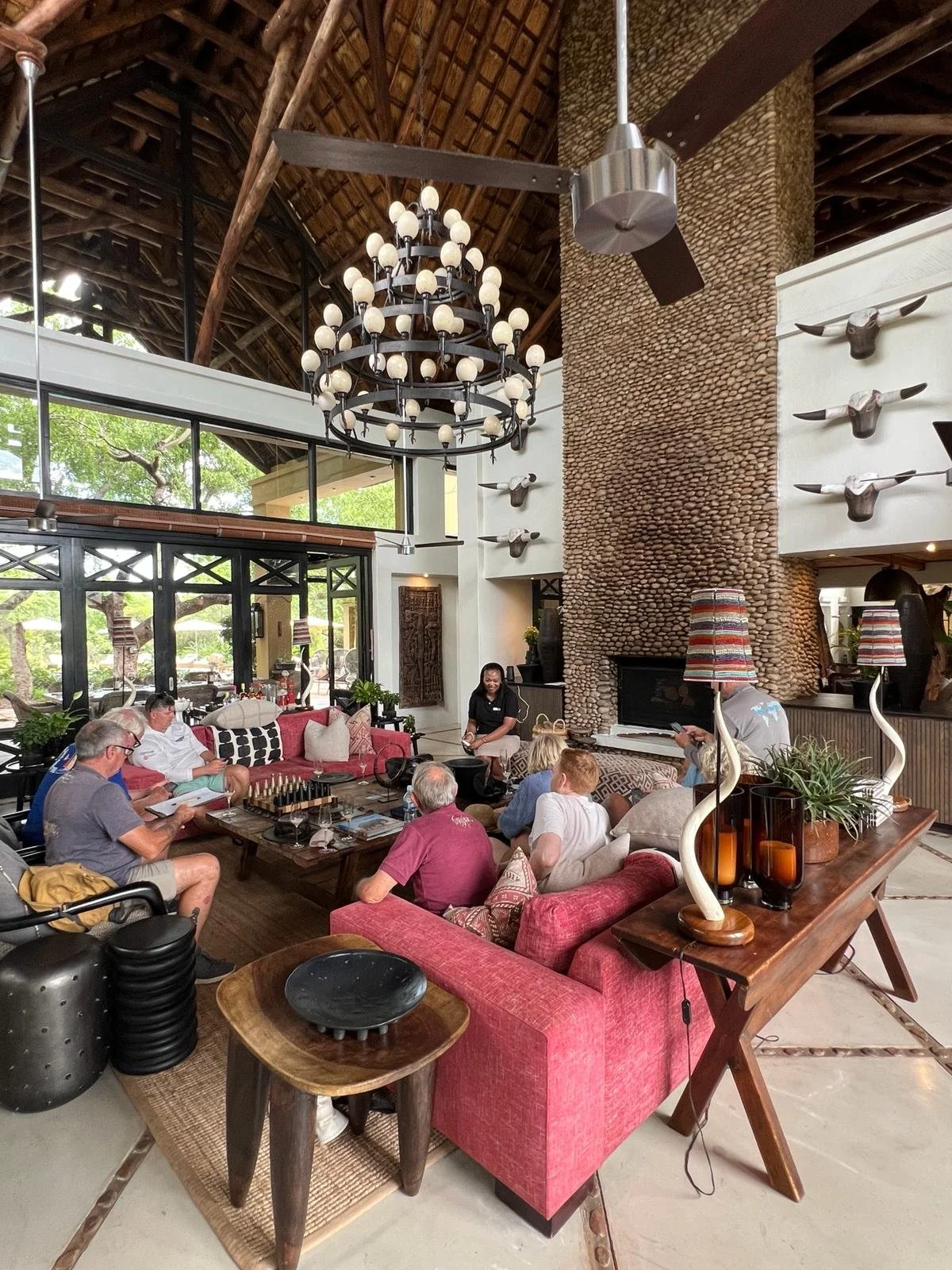
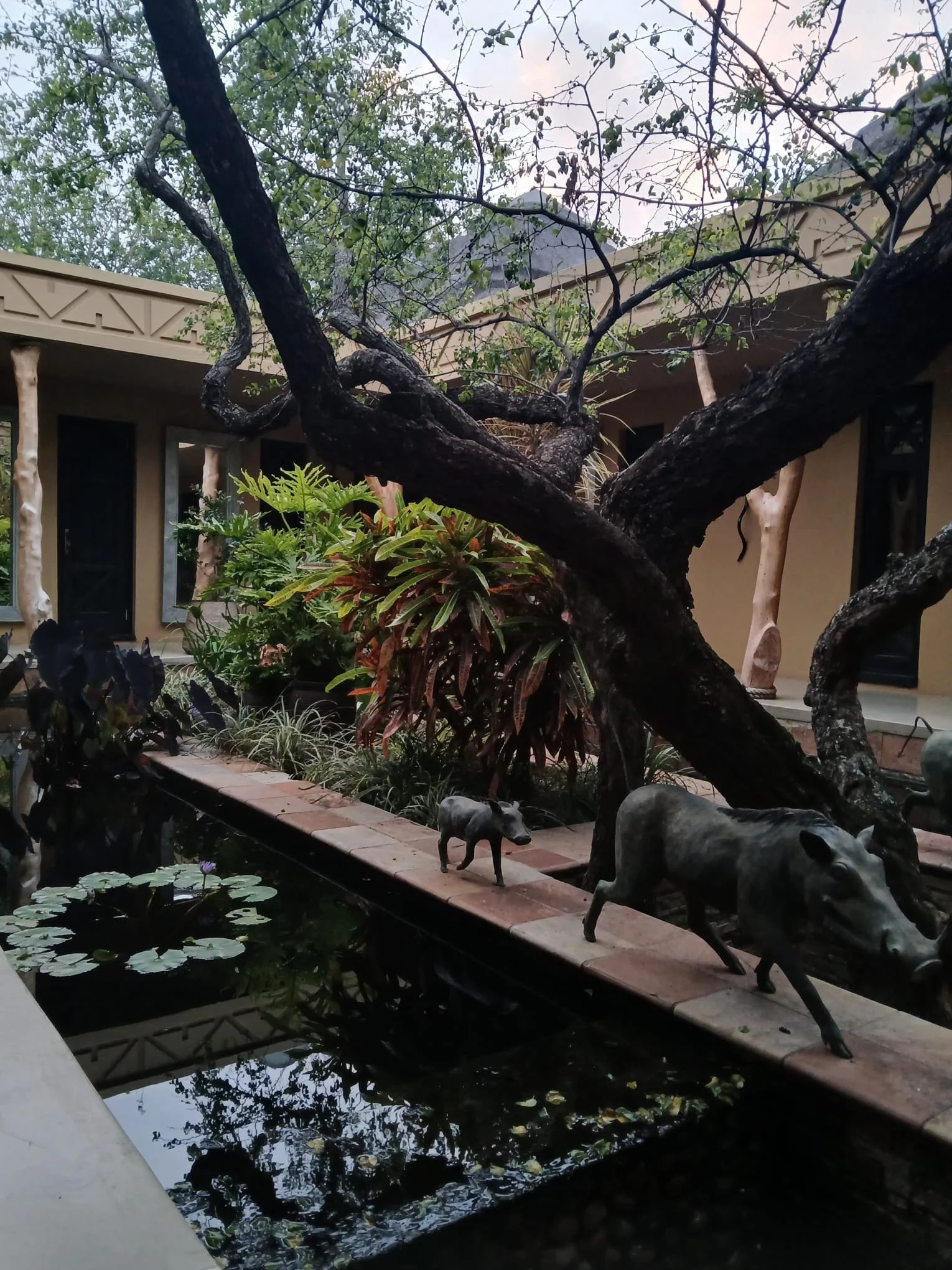
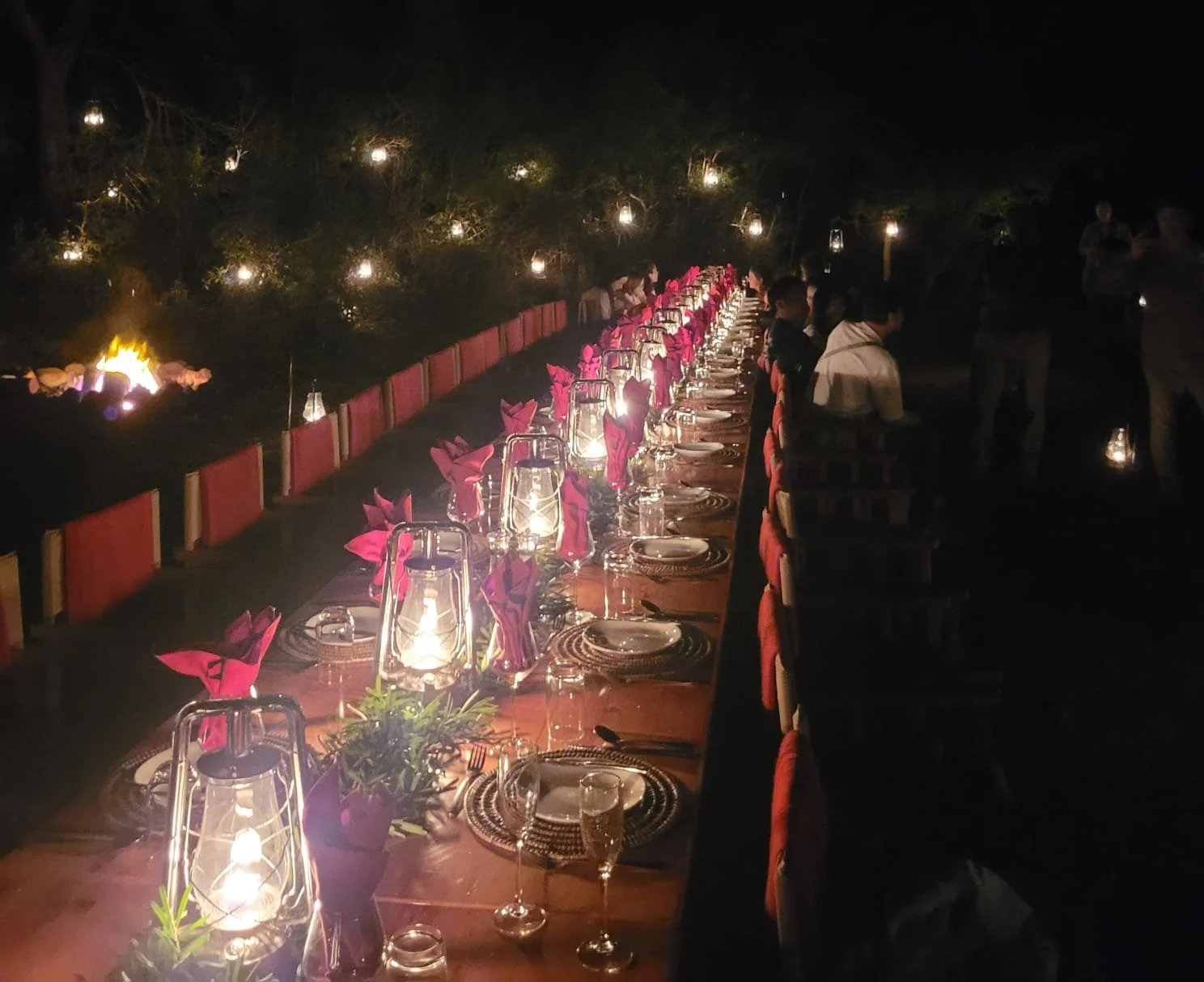
Celebrations were followed by three days on safari in the heavenly Izulu Lodge in Thanda Safari Park. I understand why Sir David Attenborough was hooked on travel and the animal world from a young age. It’s hard to describe the magic of those three days of safari. There was the luxury of the lodge and the wonderful food, cooked by a local girl who had been mentored by our lodge’s manager to become a Michelin standard chef. After provisions onboard during the Indian Ocean crossing, this would have been reward enough but the game drives and animal spotting were just phenomenal.
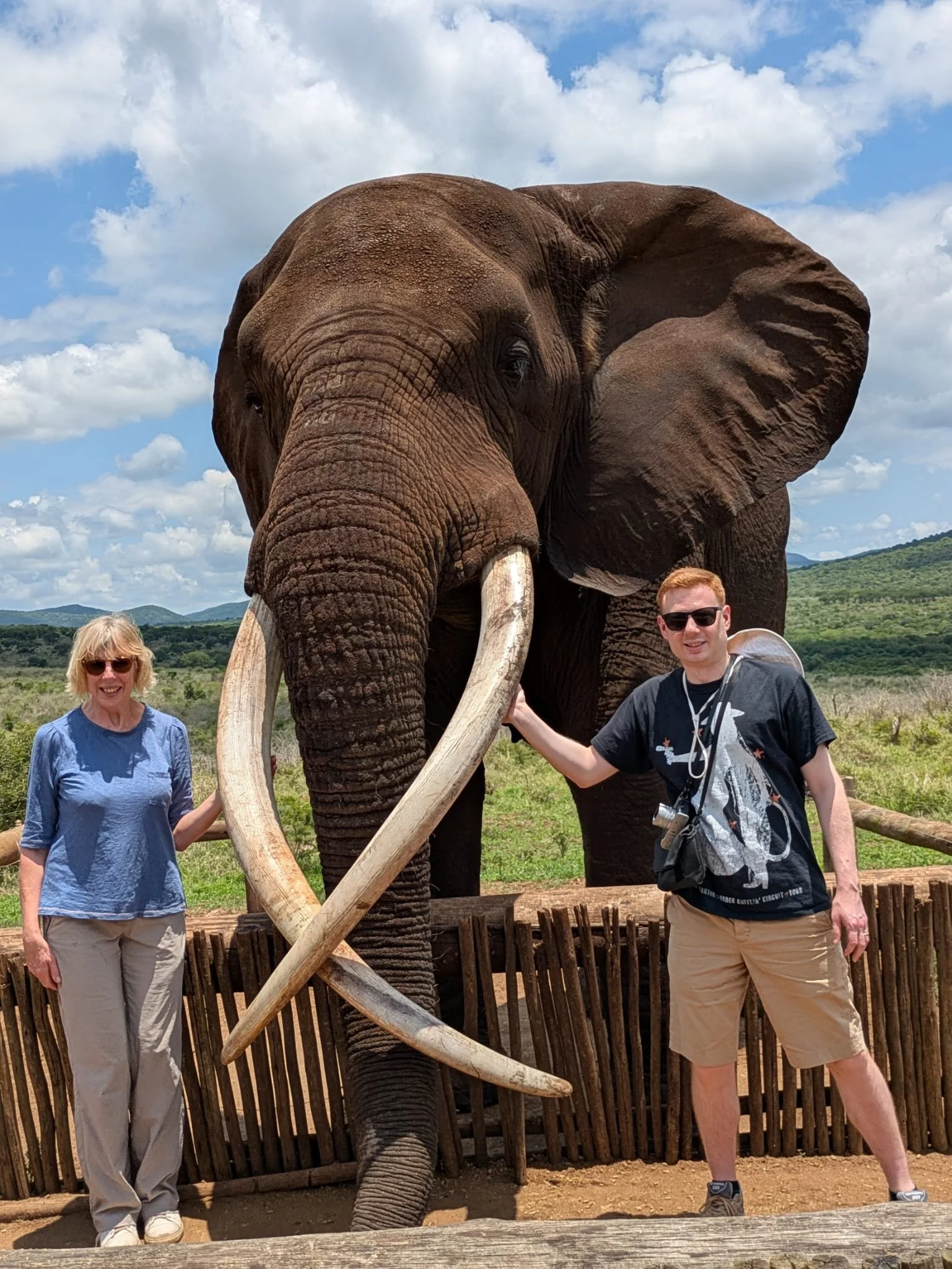
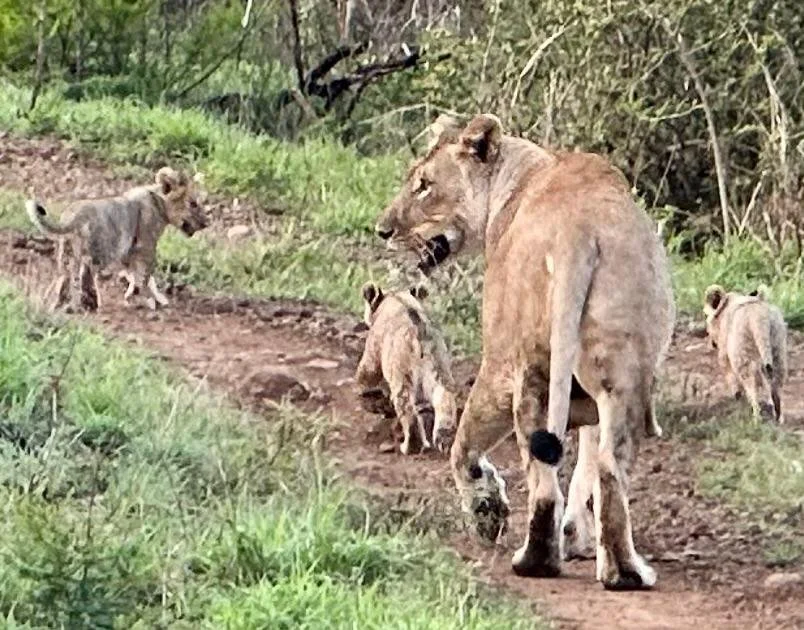
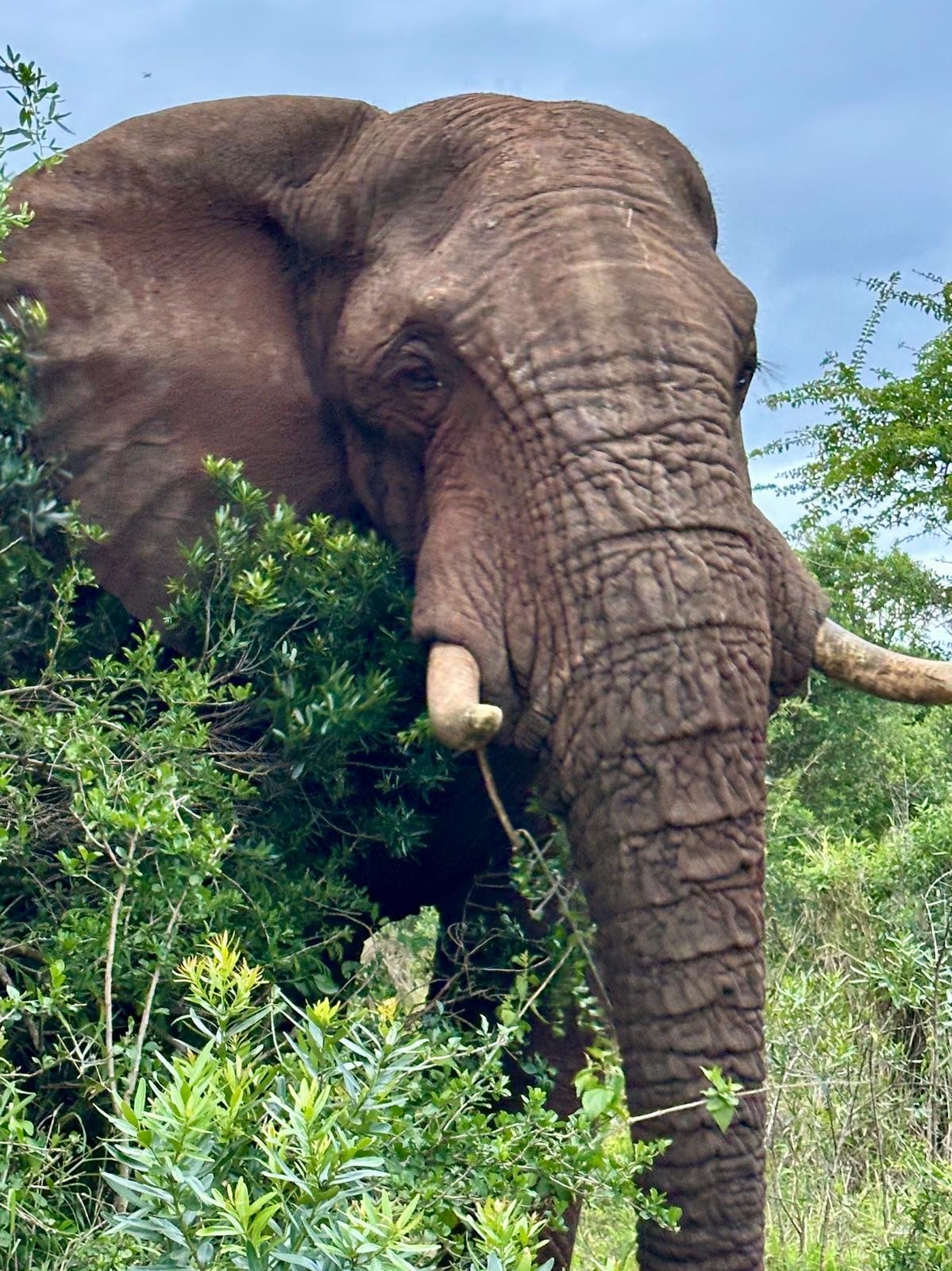
Our expert guide and her tracker took us out into the bush early in the morning and late afternoon. So many highlights: A lioness with five little lion cubs spotted in the bush beside us, crossed the track ahead and led her cubs uphill while we looked on in awe. The jeep was stopped alongside a herd of twenty or so elephants, a hush fell over us as an elephant walked determinedly towards our vehicle with large ears flapping and trunk lifted high. We trusted the knowledge of our guide as she whispered her reading of the situation. The elephant, a large male, could have overturned our vehicle in a trice, if he’d chosen to, apparently, the lifted trunk signalled that he was sniffing our aroma to help him determine whether we were a threat. At that moment, I turned to see another elephant approaching from behind the truck; he came within inches of us, again sniffing with his trunk before moving on by. What majestic creatures, what a privilege to see them roaming free in the wild.
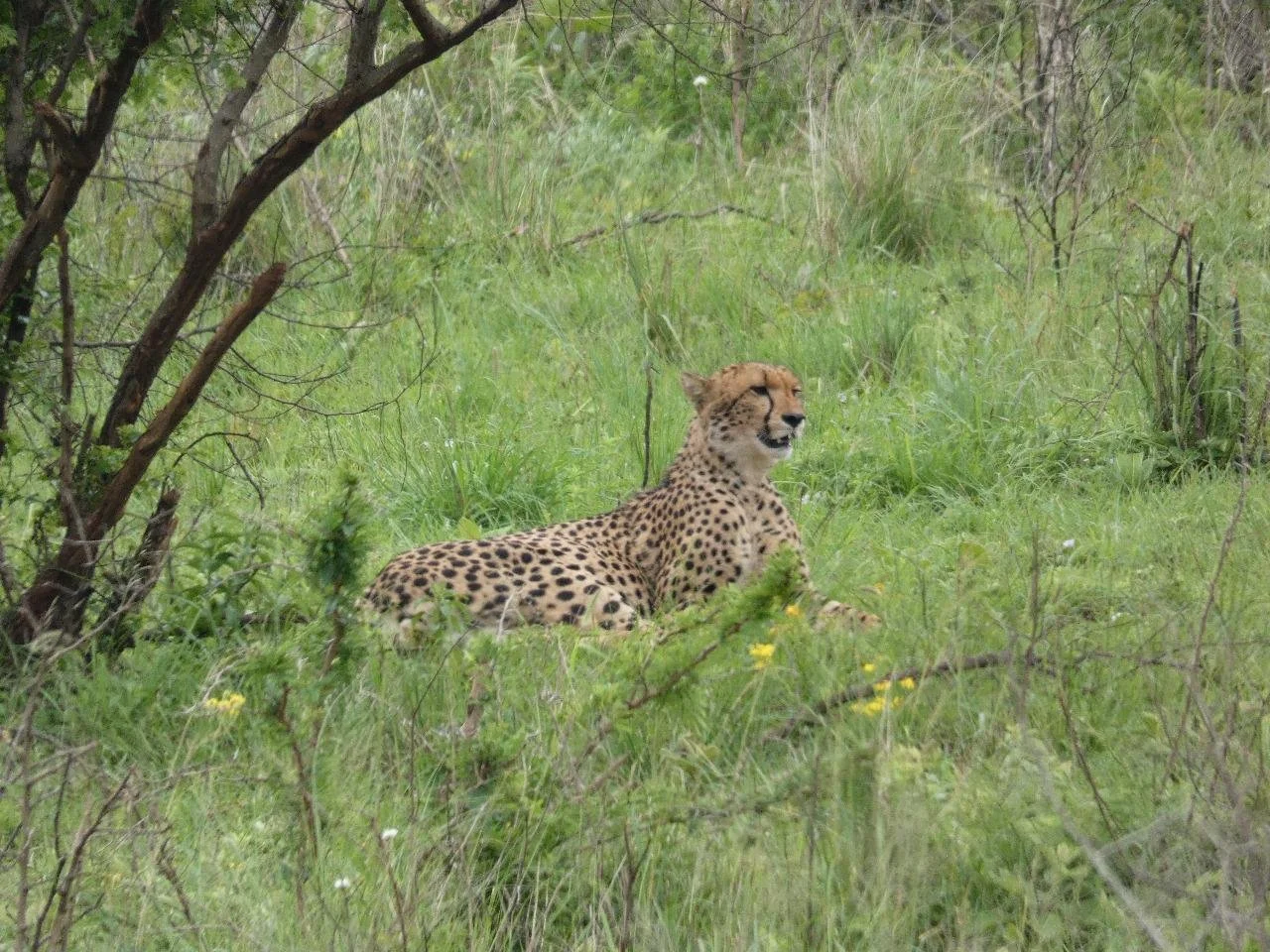
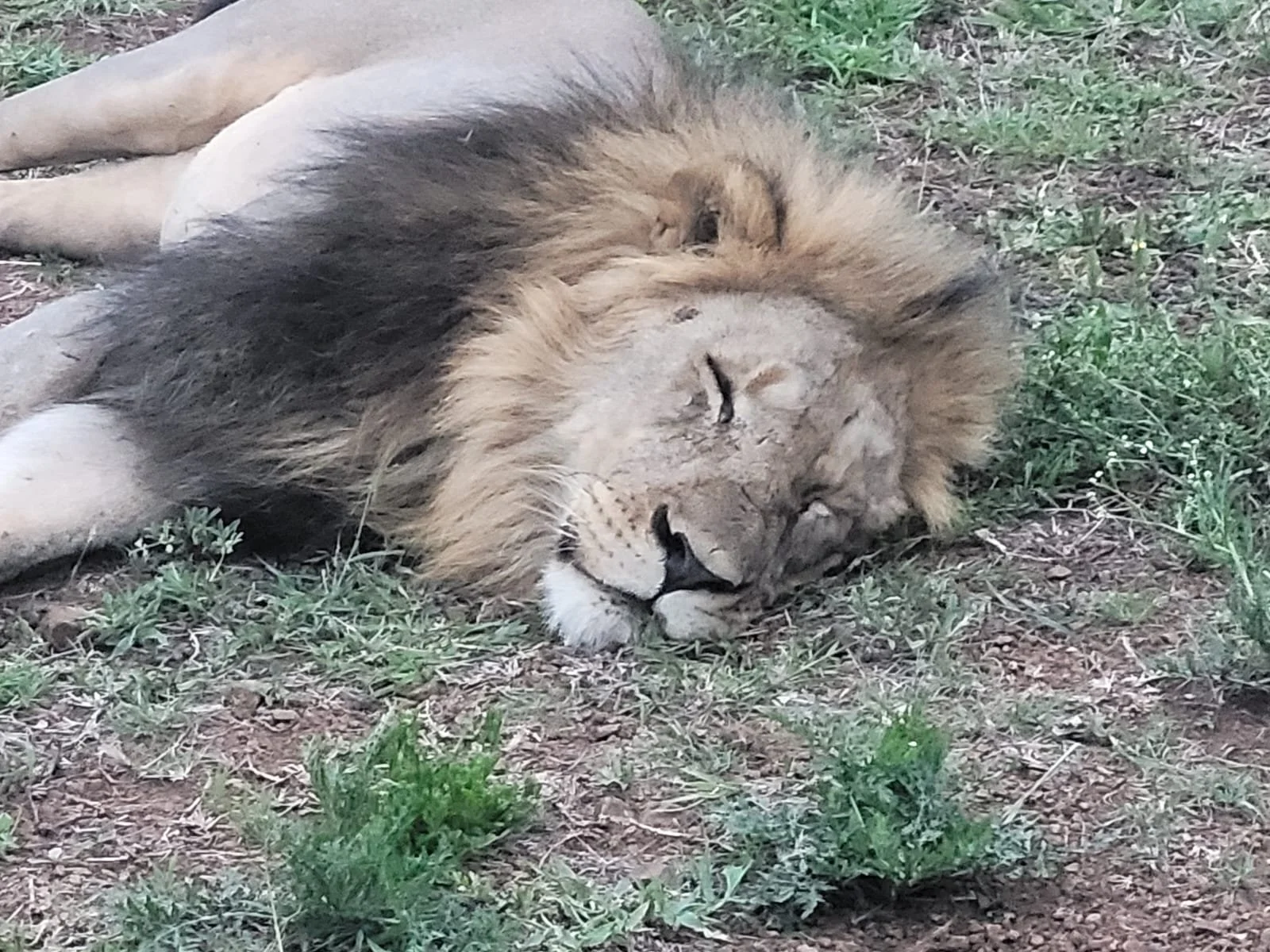
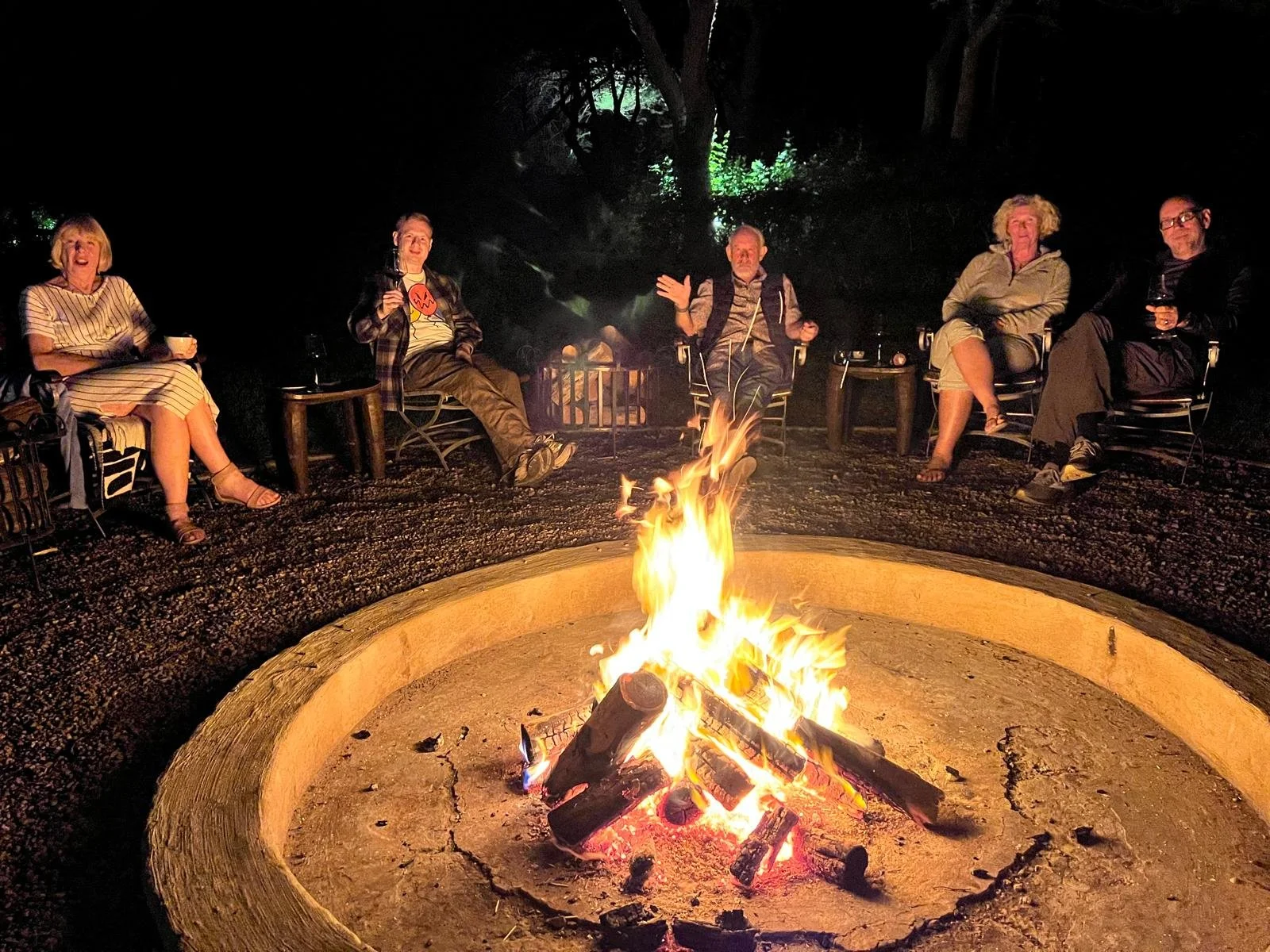
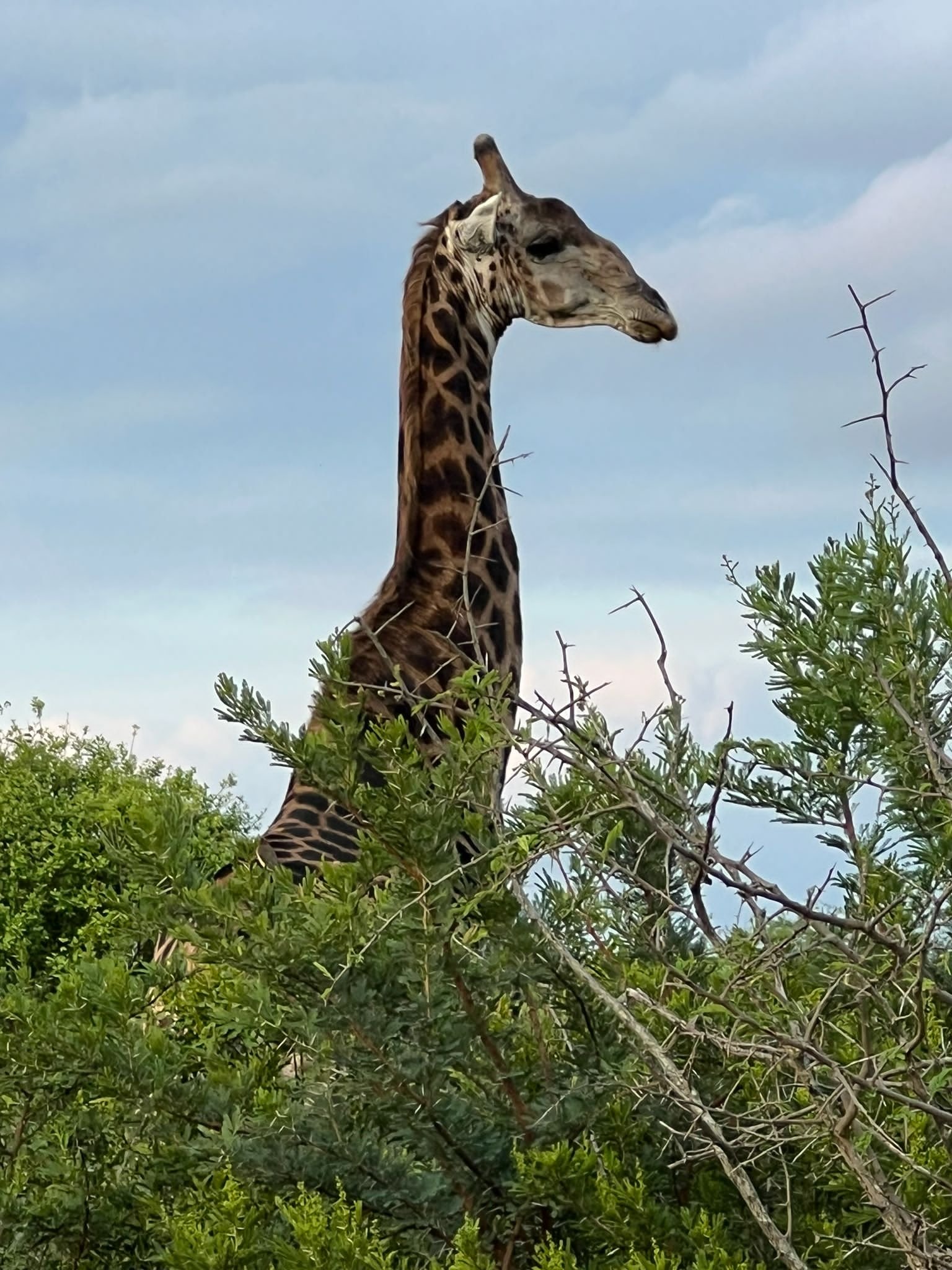
Giraffe, rhinos, zebra, cheeky warthogs, a cheetah and brief sighting of a leopard followed over the next two days. In addition, a sunset drinks event on top of a hill was arranged for World ARC families in the tented part of the park and those in Izulu Lodge, chairs with red rugs draped over them were laid out around traditional carpets and braziers with marshmallows and other goodies waiting to be roasted. A glorious outdoor picnic-style bar served drinks and, as we gathered to watch the sun dip behind the distant hills, a curious elephant meandered up the hill towards us. There was nothing between us and the wild animals we had been tracking during the day. As it happened skilful intervention by a couple of the guides raising their arms high deterred the lone male elephant, who turned away to find more of his own kind.
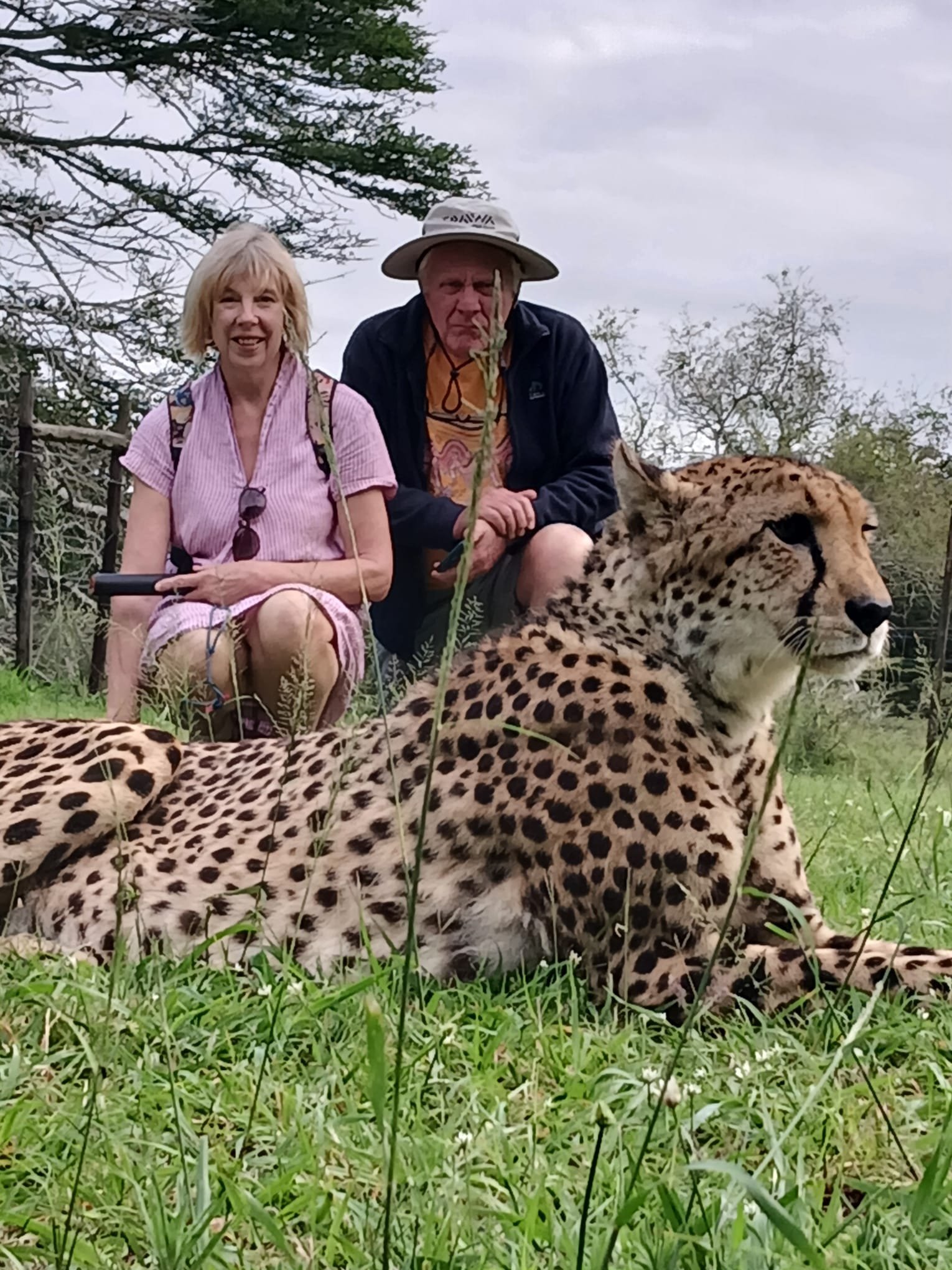
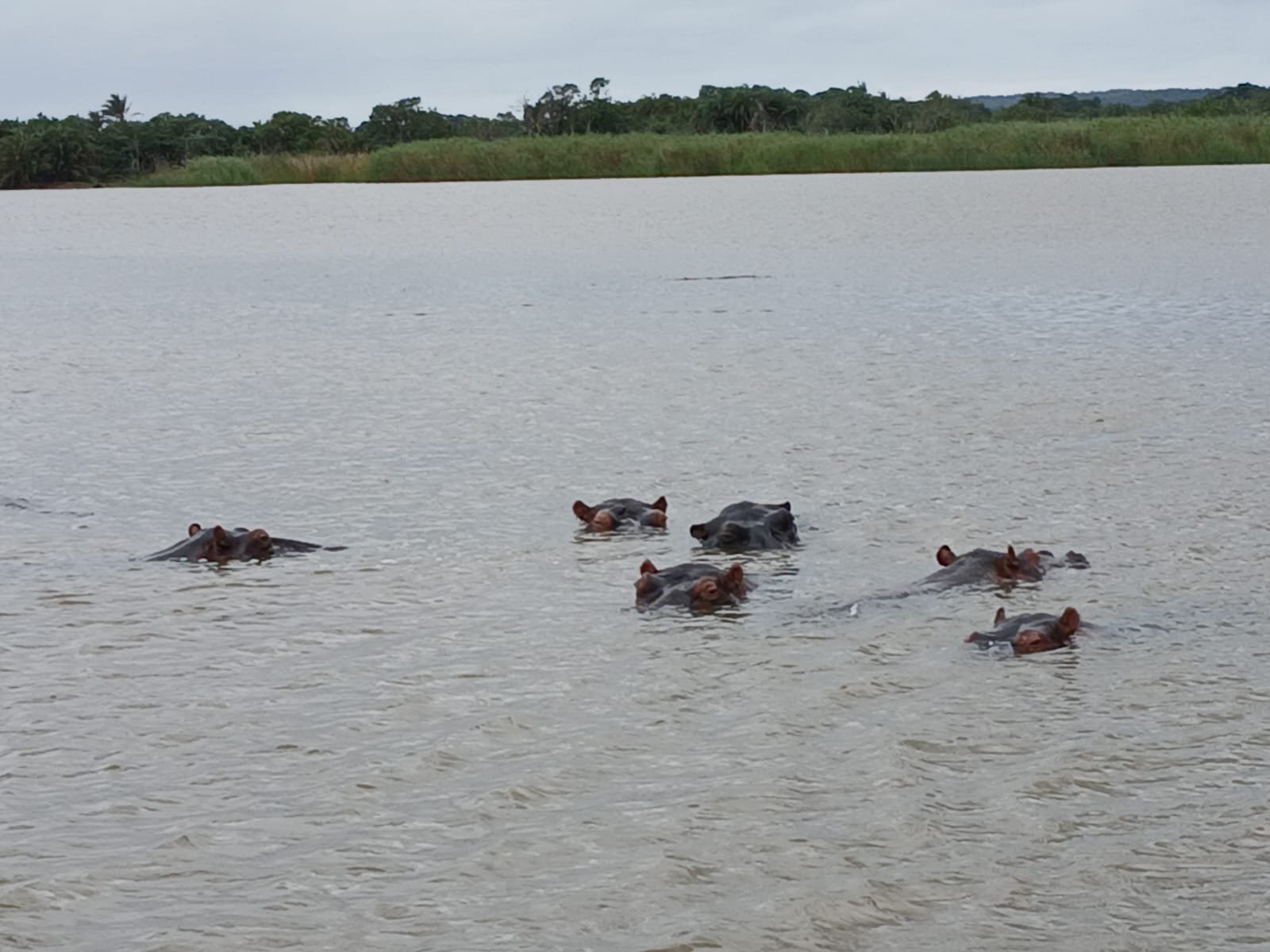
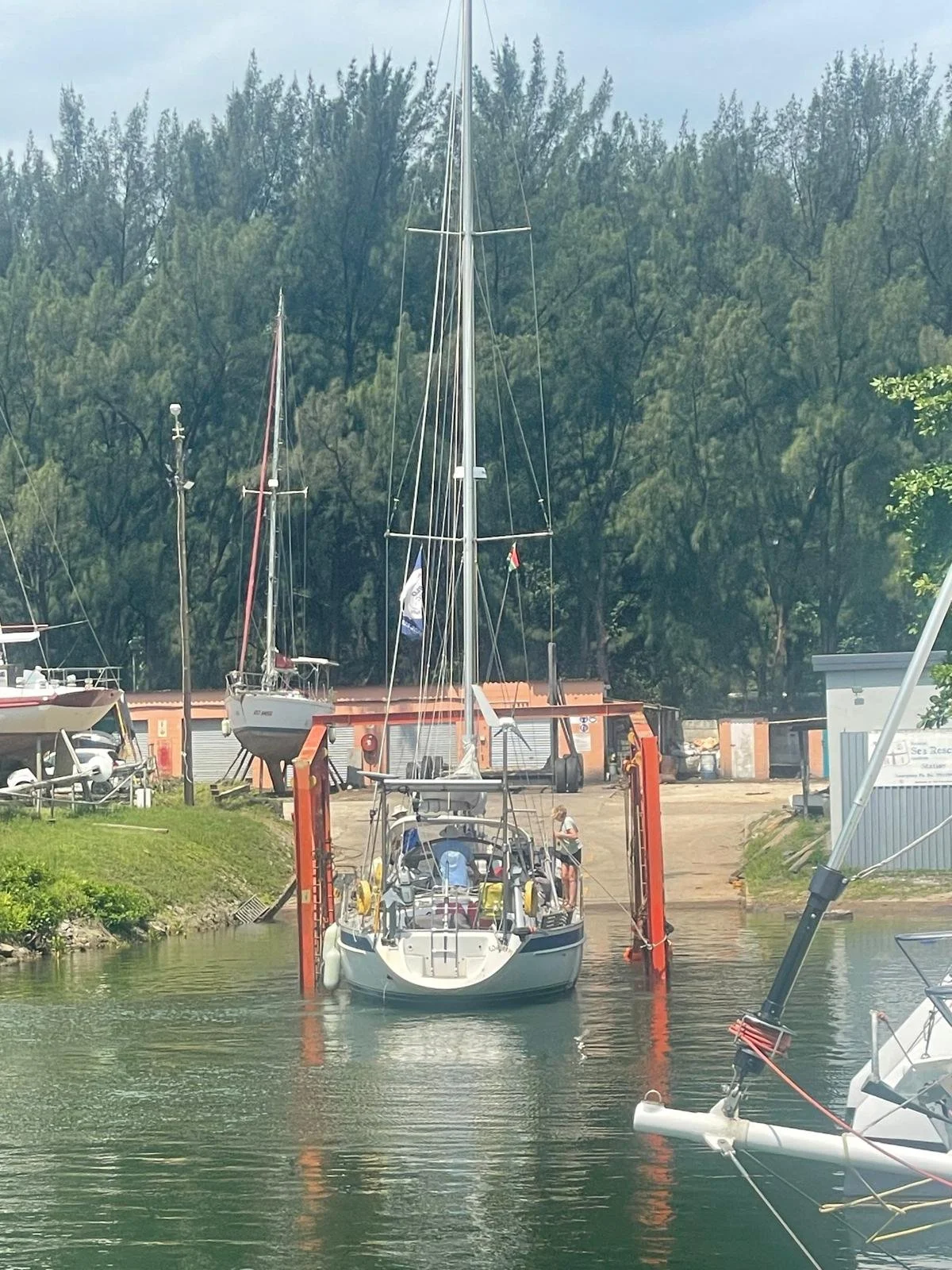
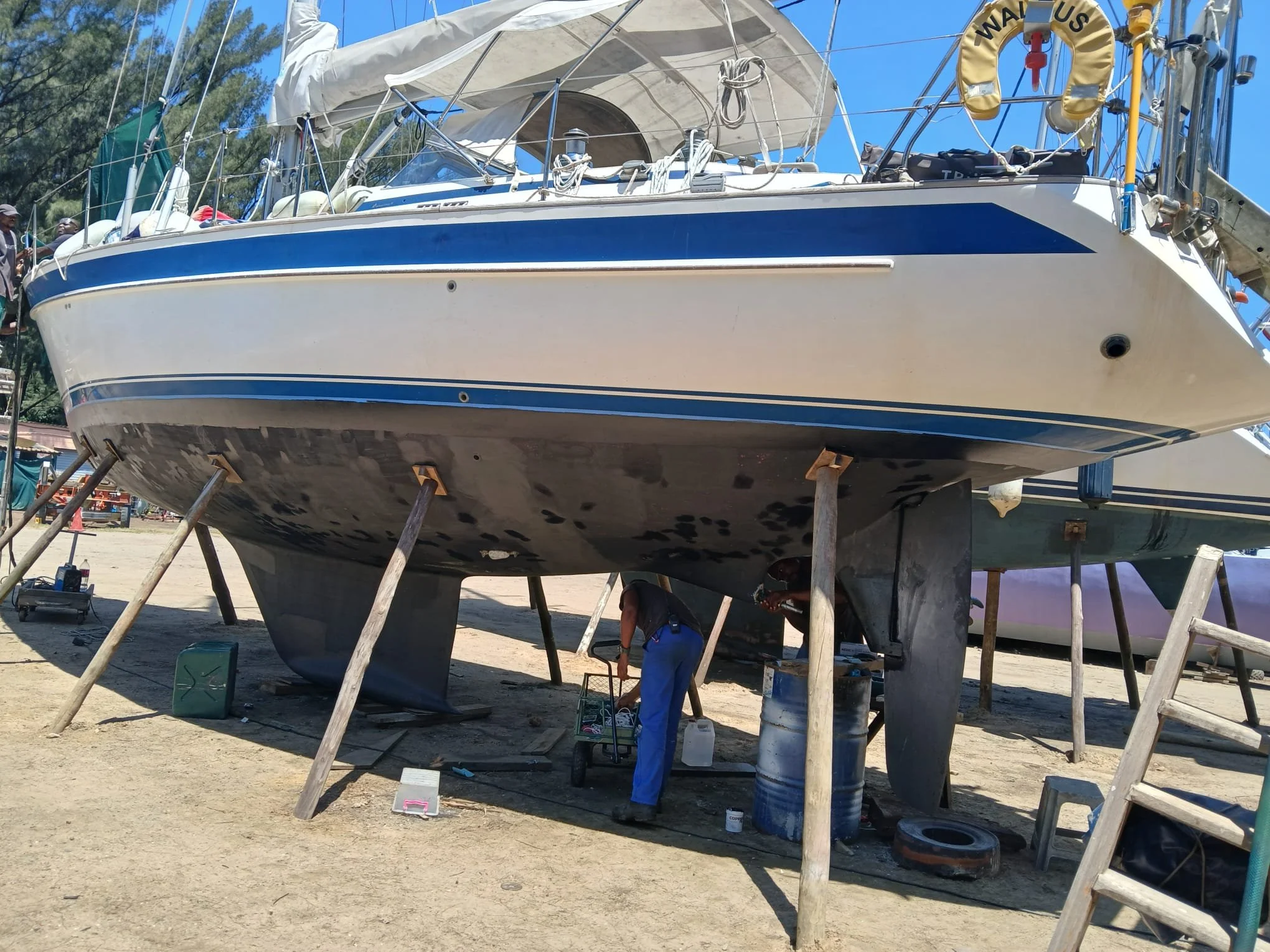
All too soon the safari came to an end and Promise (Izulu Lodge manager) and her team sang their resonant, rhythmic African songs to wish us farewell. Digby left for England and the World ARC fleet started to drift apart as some boats headed to Cape Town, while others stayed on to address yacht damage and maintenance work. Over the next two weeks, Walrus was lifted out of the water to have her cutlass bearing and rudder skeg bearings replaced. She had chips in her gel coat repaired and nav light fittings replaced, in addition to her anti-foul touched up. We meanwhile rented an Airbnb nearby, visited a cheetah rescue centre and, celebrated my birthday by going on a small river vessel to see three pods of hippos wallowing in the wild. Memories enough for a lifetime.
Next instalment: Richard’s Bay to Cape Town - The Agulhas Current